
Key Takeaways
- Always check plant toxicity before bringing new plants into a home with pets or children.
- Keep toxic plants out of reach — use high shelves or hanging planters.
- Know the symptoms of plant poisoning so you can act quickly if ingestion occurs.
Quick Care Card
| Care Parameter | Specifications | Notes |
|---|---|---|
| Light | 1,000–15,000 lux indirect | Avoid midday direct sun to prevent leaf scorch |
| Water | 200–300ml when top 2in of soil is dry, every 10–14 days | Reduce frequency in fall and winter to avoid overwatering |
| Humidity | 40–60% RH | Mist 1–2x weekly in summer if indoor air is dry from AC |
| Temperature | 60–80°F / 16–27°C, no lower than 55°F / 13°C | Avoid drafts from doors, windows, and heating vents |
| Soil | 3 parts all-purpose potting mix + 1 part perlite | Ensures good drainage to prevent root rot |
| Fertilizer | Diluted 10-10-10 organic formula every 8 weeks spring-summer | Do not fertilize in fall or winter |
| Toxicity | ASPCA-approved non-toxic to dogs, cats, and humans of all ages | No calcium oxalate crystals or irritant sap |

Why This Matters
If you’re a plant parent living with toddlers or curious pets, you’ve likely faced the impossible choice: fill your living room with the lush greenery you love, or eliminate risk of toxic plant exposure for your family. Many popular living room plants, including Ficus elastica rubber trees, golden pothos, and snake plants, contain irritant sap or calcium oxalate crystals that can cause skin rashes, mouth pain, or serious gastrointestinal distress if ingested (ASPCA, 2026).
Even so-called “non-toxic” plants often carry hidden risks, like choking hazards from perlite in potting mix or mold growth from overwatering that irritates kids’ asthma and allergies. This guide cuts through generic safety advice to give you exact, measurable placement and care rules for Peperomia obtusifolia, a low-maintenance, attractive alternative that lets you have both greenery and peace of mind in high-traffic family spaces.
Understanding the Science
Unlike many common houseplant lookalikes, Peperomia obtusifolia produces no calcium oxalate crystals, the sharp, irritant compounds that cause swelling and pain when ingested by kids or pets (Gilman, 2007). The plant’s sap is water-based and free of toxic alkaloids, so even large ingestions only cause mild, temporary stomach upset at worst, with zero risk of lasting organ damage or severe poisoning.
A 1985 HortScience study confirmed that Peperomia obtusifolia foliage contains no irritant compounds, and the plant’s thick, succulent-like leaves are not a preferred snack for most cats and dogs, reducing nibbling risk overall (Henny, 1985). The ASPCA (2026) explicitly lists the species as non-toxic to dogs, cats, and humans of all ages, making it one of the safest picks for family homes.
Step-by-Step Safe Placement Guide
Follow these exact steps for zero-risk placement and healthy growth:
- Choose a surface 18–24 inches above floor level, like a living room side table or low bookshelf. This height is out of reach of crawling toddlers but still visible for display, reducing risk of soil spills and perlite choking hazards (NC State Extension, 2026). Expected outcome: Zero unmonitored access to soil for kids under 3. Pro tip: Add a non-slip rubber pad under the pot to prevent it from being knocked off by climbing toddlers or energetic pets.
- Position the plant 3–5 feet away from an east-facing window to hit 1,000–15,000 lux of indirect light, the sweet spot for peperomia obtusifolia light requirements (USDA NRCS, 2026). This light range supports steady growth without scorching leaves, and avoids the crispy, dried-out foliage that attracts nibbling pets. Quick test: Hold your hand up between the plant and window at midday: if you see a faint, soft shadow, light levels are perfect.

- Place the plant at least 1 foot away from electrical outlets, small decor items, and high-traffic walkways. Eliminates risk of the plant being knocked into hazards, and avoids small choking hazards being scattered if the pot is tipped. Expected outcome: No secondary safety risks from placement. Pro tip: Use a wide, weighted ceramic pot for extra stability if you have active pets or climbers.
- Add a 1-inch top dressing of large, smooth river rocks over the soil surface. Blocks access to perlite and potting mix, eliminating choking risks even if a toddler manages to reach the pot edge. Expected outcome: No soil spills or ingestion of soil components, even with unsupervised access.
- Maintain room temperature between 60–80°F (16–27°C) with no drafts below 55°F (13°C) (Gilman, 2007). This temperature range matches typical family living room conditions, so no special adjustments are needed. Expected outcome: No leaf drop from temperature stress.
- Stock only non-toxic care products for use near the plant. Eliminates risk of toxic residue on leaves that can be transferred to kids’ hands or pet fur. Expected outcome: Zero risk of accidental poisoning from fertilizers or pest control products.
Seasonal Care Calendar
Adjust placement and care for steady, low-fuss growth year-round:
- Spring (March–May): Move the plant 2 feet closer to the east-facing window to get 12,000–15,000 lux of indirect light as days lengthen. Apply diluted 10-10-10 organic fertilizer once at the start of the season to support new growth (Henny, 1985).
- Summer (June–August): For peperomia obtusifolia summer care, move the plant 1 foot further from the window to avoid midday sun scorch. Mist leaves 2x weekly to maintain 40–60% RH, as AC can dry out indoor air. Water 200ml every 10 days when the top 2 inches of soil are dry.
- Fall (September–November): Reduce watering to 300ml every 14 days as growth slows. Stop fertilizing entirely to avoid nutrient buildup in soil that can encourage mold growth.
- Winter (December–February): For peperomia obtusifolia winter care, keep the plant at least 2 feet away from heating vents to avoid dry air and temperature fluctuations. Maintain a minimum temperature of 60°F (16°C) to prevent leaf drop (NC State Extension, 2026).
Common Mistakes to Avoid
Mistake: Placing Peperomia obtusifolia on the floor where toddlers can reach the soil What happens: Choking risk from perlite in potting mix, messy soil spills, potential exposure to mold if soil is overwatered Instead: Elevate the plant to a minimum 18 inch height for child safe indoor plants for side tables, and add a 1-inch top dressing of large river rocks to block soil access entirely.
Mistake: Using toxic neem oil or synthetic pesticides on peperomia in kid/pet zones What happens: Accidental poisoning risk if residue is touched by toddlers or ingested by nibbling pets Instead: Use a spray made of 1 part castile soap + 4 parts water for pest control, and apply only when kids and pets are asleep to give the spray time to dry completely.
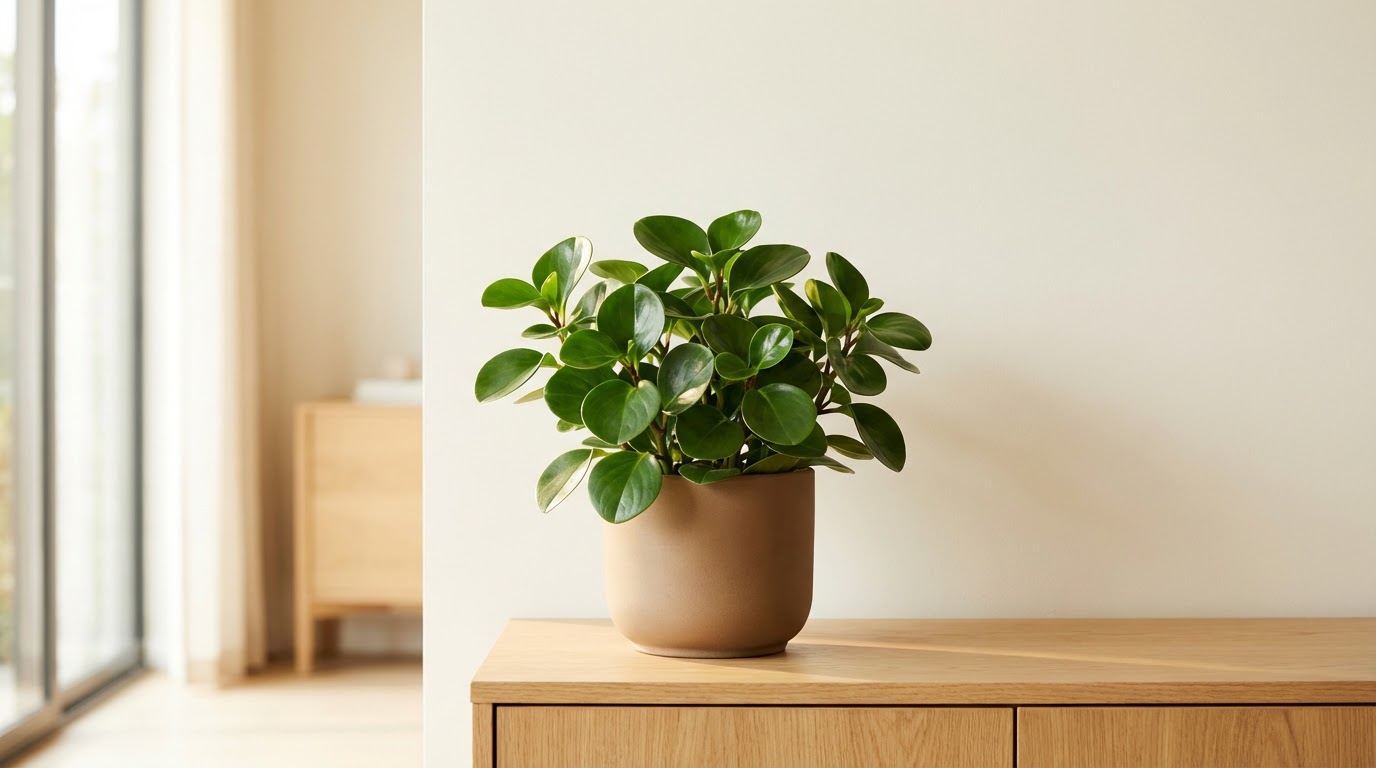
Mistake: Confusing Peperomia obtusifolia with toxic Ficus elastica (rubber tree) What happens: Accidental exposure to irritant sap that causes skin rashes in toddlers and mouth pain or gastrointestinal distress in cats and dogs, a common point of confusion for peperomia obtusifolia vs rubber tree toxicity Instead: Verify ID before purchasing: Peperomia obtusifolia has round, thick, succulent-like glossy leaves, while Ficus elastica has pointed, thinner, often matte leaves with milky white sap when broken.
Mistake: Overwatering leading to mold growth on the soil surface What happens: Respiratory irritation for kids with allergies or asthma, and increased risk of root rot that kills the plant Instead: Water only when the top 2 inches of soil are completely dry (stick your finger in to test). If mold appears, scrape off the top 1 inch of soil and replace it with fresh potting mix.
Mistake: Using full-strength synthetic fertilizer on peperomia around pets What happens: Toxic salt buildup on the soil surface that can cause illness if ingested by pets or toddlers Instead: Use a diluted 10-10-10 organic fertilizer every 8 weeks only in spring and summer, and avoid getting fertilizer on the leaves or pot edges.
Troubleshooting Guide

Frequently Asked Questions
Can I keep a peperomia obtusifolia where my toddler can reach it?
Yes, as long as you take two simple precautions: elevate the plant to at least 18 inches high to avoid easy access to soil, and add a 1-inch top dressing of large river rocks to block any access to perlite or potting mix. Per ASPCA (2026), peperomia obtusifolia safe for toddlers, so even if they chew a leaf, there is no risk of lasting harm, only possible mild temporary stomach upset.
Is peperomia obtusifolia safe if my cat chews its leaves?
Yes, peperomia obtusifolia safe for pets, and ASPCA (2026) explicitly lists it as non-toxic to both cats and dogs, so you don’t have to worry about the question “is peperomia obtusifolia toxic to cats”. If your cat chews a large amount of leaves, they may experience mild temporary nausea or loose stools, but there is zero risk of serious poisoning or long-term harm, unlike toxic lookalikes like golden pothos.
What toxic living room plants can I swap for peperomia obtusifolia?
Peperomia obtusifolia is a perfect pet safe plant swap for toxic houseplants including Ficus elastica (rubber tree), golden pothos, and snake plant. It has a similar lush, bushy aesthetic, low-maintenance care requirements, and thrives in the same indirect light conditions as these popular toxic picks, making it one of the best non toxic living room plants for family homes.
How often to water peperomia obtusifolia in a high-traffic family living room?
Water 200–300ml only when the top 2 inches of soil are completely dry, which works out to every 10–14 days depending on season. This frequency avoids overwatering that causes mold growth, a critical consideration for homes with kids who have allergies or asthma. This is a core rule of low-fuss peperomia obtusifolia care for family spaces.
Can I use regular houseplant fertilizer on peperomia around pets?
We recommend avoiding synthetic regular houseplant fertilizer around pets, as it can leave toxic salt residue on the soil surface. Instead, use a diluted 10-10-10 organic fertilizer every 8 weeks only in spring and summer, which is safe for exposure to kids and pets.
What is the best pet safe houseplant placement guide for living rooms?
The best placement guide prioritizes visibility, plant health, and safety: place non-toxic plants like Peperomia obtusifolia at 18–24 inch height on side tables, 3–5 feet from east-facing windows, 1 foot away from hazards, and with soil covered by a rock top dressing to eliminate choking risks.
Key Takeaways
- Peperomia obtusifolia is 100% non-toxic to kids and pets per ASPCA (2026) guidelines, with no risk of serious harm even if ingested
- Place the plant at a minimum 18 inch height on side tables or low shelves for child safe indoor plants for side tables that are still visible and accessible for care
- Follow peperomia obtusifolia light requirements of 1,000–15,000 lux of indirect light, positioned 3–5 feet from an east-facing window for steady growth
- Use only non-toxic pest control (castile soap + water spray) and organic diluted fertilizer in family zones to eliminate poisoning risks
- Water 200–300ml only when the top 2 inches of soil are completely dry to avoid mold growth that can irritate kids’ allergies
- Swap toxic lookalikes like Ficus elastica, golden pothos, and snake plant for Peperomia obtusifolia for identical aesthetic benefits with zero safety risk
References
- Gilman, E. (2007). Peperomia obtusifolia Peperomia, Baby Rubber Plant. EDIS. https://doi.org/10.32473/edis-fp466-1999. Accessed 2026-02-19.
- Henny, R. (1985). BA Induces Lateral Branching of Peperomia obtusifolia. HortScience. https://doi.org/10.21273/hortsci.20.1.115. Accessed 2026-02-19.
- ASPCA. (2026). Toxic and Non-Toxic Plants List — ASPCA. American Society for the Prevention of Cruelty to Animals. https://www.aspca.org/pet-care/animal-poison-control/toxic-and-non-toxic-plants. Accessed 2026-02-19.
- NC State Extension. (2026). Peperomia Obtusifolia — NC State Extension Gardener Plant Toolbox. North Carolina State University Extension. https://plants.ces.ncsu.edu/plants/peperomia-obtusifolia/. Accessed 2026-02-19.
Optional Helper: Plantfun.App
Plantfun.App identifies your plants by photo, diagnoses pests and diseases with clear fixes, and creates personalised watering and light schedules that adapt to your home conditions — a handy companion for putting this guide into daily practice.
Found an error or have suggestions? We'd love your feedback.
Need help identifying this problem?
Get instant identification, personalized care schedules, and effective pest treatment plans directly on your phone.
Sponsored • We may earn a commission from app downloads
Related Guides
Non-Toxic Peperomia Obtusifolia Care & Placement Guide for Pet & Toddler Safe Living Room Coffee Tables
Keep curious pets and toddlers safe while enjoying lush indoor greenery on your living room coffee table. Get exact, science-backed Peperomia obtusifolia care specs, safe placement tips, risk mitigation hacks, and non-toxic substitution ideas for high-access household spots.
Safety GuidePeperomia Obtusifolia in Toddler & Dog Accessible Living Rooms: Safe Placement & Care Guide
Keep your toddlers and pups safe while growing lush greenery. Get exact Peperomia obtusifolia care specs, child and pet-safe placement rules, and 3 toxic plant substitutions for accessible living room spots, no full room rearranging required.
Safety GuidePeperomia Obtusifolia Care Guide For Toddler & Pet-Safe Living Room Placement
Eliminate houseplant poisoning risks for your toddlers and pets with this science-backed Peperomia obtusifolia care guide. Get exact care parameters, safe coffee table placement tips, and easy swaps for toxic living room plants today.
Care GuideThe Complete Peperomia Obtusifolia Care Checklist for Resilient Growth in Small Urban Apartments
Grab a free actionable Peperomia obtusifolia care checklist tailored for small urban apartments, with exact light, water, and humidity thresholds to keep your plant lush and pest-free all year.