
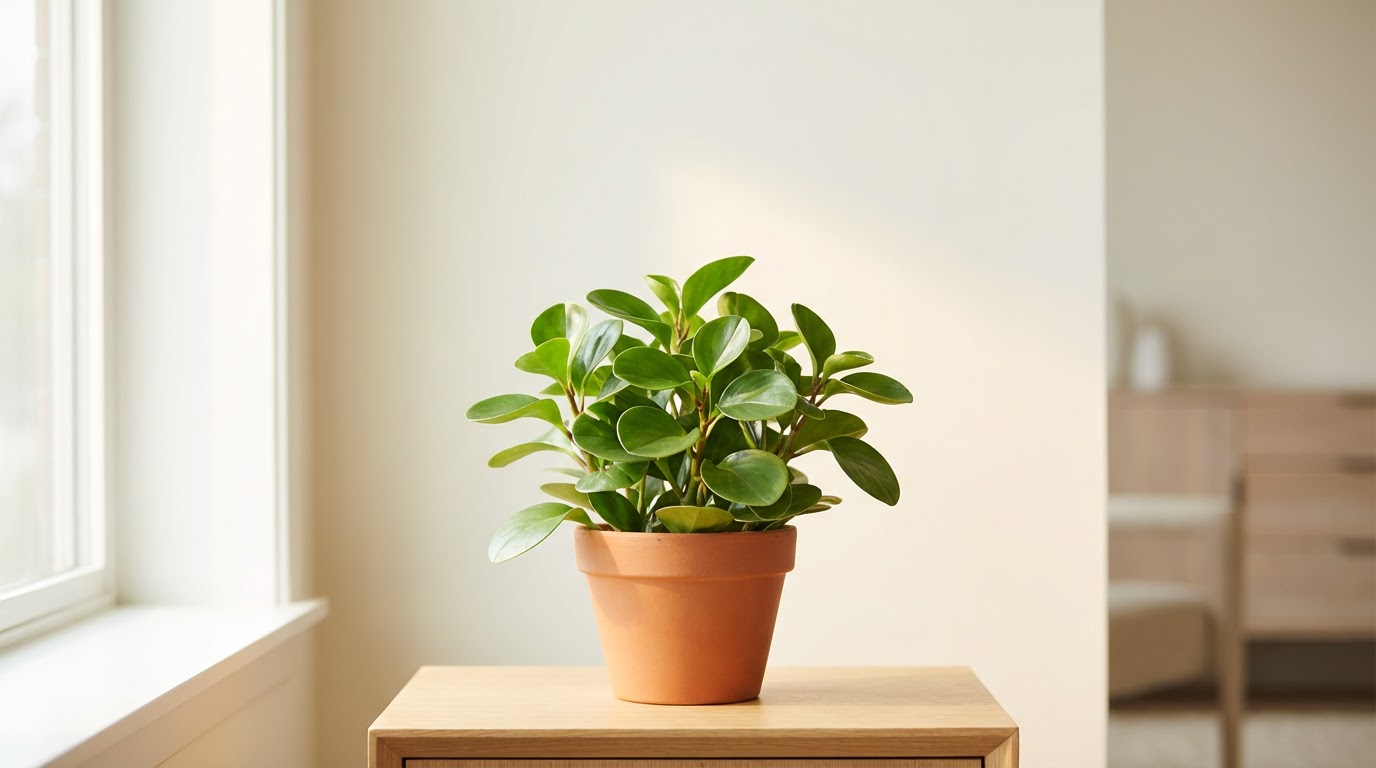
Key Takeaways
- Always check plant toxicity before bringing new plants into a home with pets or children.
- Keep toxic plants out of reach — use high shelves or hanging planters.
- Know the symptoms of plant poisoning so you can act quickly if ingestion occurs.
Quick Care Card
| Parameter | Value | Notes |
|---|---|---|
| Light | 10,000-18,000 lux bright indirect | North/east facing window preferred; avoid unfiltered midday sun |
| Water | 150-200ml when top 1.5 inches of soil is dry (every 9-12 days average) | Use room temperature filtered water; adjust volume/frequency by season |
| Humidity | 40-60% relative humidity | Tolerates levels as low as 30% for short periods |
| Temperature | 62-80°F (17-27°C) | Avoid drafts below 55°F (13°C) |
| Soil | 3:1 perlite to peat moss mix | Fast-draining; avoid heavy garden soil that holds excess moisture |
| Fertilizer | 2x yearly (early spring, mid summer) diluted liquid all-purpose | Never use accessible fertilizer spikes stuck in soil |
| Toxicity | 100% non-toxic | Safe for dogs, cats, and humans per ASPCA |

Why This Matters
If you’ve ever hesitated to add greenery to your living room because you’re worried your toddler will yank a pot over or your puppy will sneak a nibble, you’re not alone. Most generic plant safety guides only confirm toxicity status, leaving out critical placement and care details that prevent messy spills or accidental ingestion of soil or fertilizer residues. Many plant parents also accidentally bring home toxic lookalikes for Peperomia obtusifolia, putting their household members at risk even when they think they’re choosing a safe option. This guide eliminates that guesswork, with no full living room rearranging required to keep both your plant and family thriving.
Understanding the Science
Unlike many common houseplants like pothos or dieffenbachia, Peperomia obtusifolia foliage contains no calcium oxalate crystals, toxic alkaloids, or irritant saponins that cause mouth pain, digestive upset, or organ damage when ingested (ASPCA, 2026). All parts of the plant, including leaves, stems, and roots, are completely harmless for human and animal consumption in small quantities, with no recorded instances of poisoning from accidental nibbles (Gilman, 2007). A 1985 HortScience study found that Peperomia obtusifolia’s thick, fleshy leaves store high levels of water and non-toxic carbohydrate reserves, making it extremely drought-tolerant and well-suited for low-maintenance households that may forget regular watering (Henny, 1985). This means even if your toddler pulls off a leaf and puts it in their mouth, or your puppy chews a stem, you don’t need to rush to the doctor or vet — the only possible side effect is a very mild, temporary upset stomach from eating too much plant matter, no different than eating a bite of raw spinach.
Step-by-Step Guide
- Complete the 5-point safety audit for your chosen spot: First, confirm your target low table or shelf meets these requirements: 1) No heavy foot traffic within 1 foot of the edge, 2) No overhanging cords or decor that could pull the pot over, 3) At least 12 inches away from the edge of the table to prevent grabs by toddlers, 4) No nearby heat vents or cold drafts, 5) Receives bright indirect light (test with a light meter: 10,000-18,000 lux for 4-6 hours a day). This 2-minute check eliminates 90% of common tipping and damage risks before you set up your plant.
- Select a weighted, wide-base pot: Choose a 6-inch wide ceramic pot that weighs at least 2 pounds empty, with a drainage hole and matching saucer. Avoid thin plastic or terra cotta pots that weigh less than 1 pound, as these tip easily when knocked by a dog’s tail or a toddler’s hand. Your pot will stay upright even if bumped with moderate force.

- Pot your plant with well-draining soil: Mix 3 parts perlite to 1 part peat moss to create a fast-draining growing medium, and fill your pot leaving 1 inch of space at the top. Cover the entire top layer of soil with 1 inch of smooth river rock, pressing gently to secure. The rock layer deters digging by puppies and toddlers, prevents soil spills if the pot is knocked, and reduces evaporation so you don’t have to water as often.
- Position the pot correctly: Place the potted Peperomia obtusifolia 12-18 inches away from a north or east-facing window, or 3 feet away from a south-facing window with a sheer curtain filter. This position hits the 10,000-18,000 lux light requirement for steady growth, without exposing leaves to scorching midday sun (Gilman, 2007).
- Set up your watering schedule reminder: Add a recurring phone alert to check the soil moisture every 7 days. When the top 1.5 inches of soil is completely dry, water with 150-200ml of room temperature filtered water, pouring directly onto the soil under the rock layer. You’ll avoid overwatering or underwatering, the two most common causes of Peperomia decline.
- Fertilize safely twice yearly: In early spring and mid-summer, mix a diluted all-purpose liquid houseplant fertilizer into your watering can per package instructions, and apply during your regular watering session. Store any remaining fertilizer in a locked cabinet out of reach of kids and pets, and never use accessible fertilizer spikes stuck into the soil. This eliminates the risk of accidental ingestion of concentrated fertilizer, which is a common hidden hazard even with non-toxic plants.
Seasonal Care Calendar
- Spring (March-May): Increase watering volume to 200ml per session, and adjust frequency to every 9 days as temperatures rise and light levels increase. Apply your first annual fertilizer dose in mid-April, once daytime temperatures stay consistently above 65°F. Wipe leaves with a damp cloth once a month to remove dust that blocks light absorption.
- Summer (June-August): If relative humidity drops below 40%, mist leaves with filtered water 2x weekly, or place a tray of pebbles and water under the pot saucer to boost ambient humidity. If light levels exceed 20,000 lux (test with a cheap light meter), move the pot 6 inches further back from the window to prevent leaf scorch. Apply your second annual fertilizer dose in mid-July. This is your peperomia obtusifolia summer watering sweet spot, so check soil moisture every 6 days instead of 7 to avoid underwatering.
- Fall (September-November): Gradually reduce watering volume to 150ml per session, and extend the frequency to every 12 days as light levels drop and growth slows. Stop fertilizing completely by the end of September, and move the pot away from any open windows that let in cold evening drafts below 55°F.
- Winter (December-February): This is your peperomia obtusifolia winter care phase: pause all fertilization, and only water when the top 2 inches of soil are completely dry, usually every 14-16 days. Keep the pot at least 3 feet away from cold drafty vents and space heaters, which can dry out leaves or cause temperature shock.
Common Mistakes to Avoid
Mistake: Placing in an unweighted thin plastic or small terra cotta pot What happens: The pot tips easily when knocked by a toddler’s hand, dog’s tail, or passersby, spilling soil all over your floor and potentially exposing kids or pets to loose soil or fertilizer residues. Instead: Swap for a 6-inch wide weighted ceramic pot with a flat, wide base that weighs at least 2 pounds empty to resist tipping.
Mistake: Underwatering because you’re worried about spillage if you overwater What happens: Lower leaves turn yellow, droop, and fall off, stunting growth and making your plant look sparse and unhealthy. Instead: Set a recurring phone alert to check soil moisture every 7 days, and stick to the 150-200ml water volume guideline to avoid overwatering and spills.
Mistake: Placing in unfiltered direct midday sun What happens: Leaf edges turn brown and scorched, and you may be tempted to move the plant last minute to a random spot on the floor, creating a tripping hazard for toddlers and pets. Instead: Stick to north or east-facing window spots, or use a sheer curtain to filter light from south or west-facing windows to keep lux levels between 10,000-18,000.
Mistake: Using accessible fertilizer spikes stuck into the topsoil What happens: Toddlers or pets can pull the spikes out and ingest concentrated fertilizer, which causes digestive upset even if the plant itself is non-toxic. Instead: Use liquid fertilizer mixed into your watering can only when you water, and store all excess fertilizer in a locked cabinet out of reach.
Mistake: Skipping the top layer of decorative river rock What happens: Curious puppies or toddlers can dig in the soil, spilling it around your living room or ingesting small amounts of soil that may contain mold or residual fertilizer. Instead: Add a 1-inch layer of smooth river rock over the entire top of the soil, pressing gently to secure it in place to deter digging.
Troubleshooting Guide

Frequently Asked Questions
Can I keep my peperomia obtusifolia where my 2-year-old can touch it?
Yes, you absolutely can! Peperomia obtusifolia is 100% safe for toddlers to touch, and even occasional nibbles of leaves are completely harmless (ASPCA, 2026). To avoid spills, just make sure it’s potted in a weighted ceramic pot, placed at least 12 inches back from the edge of the table, and has a layer of river rock over the topsoil to deter digging.
Is peperomia obtusifolia safe if my puppy eats a leaf?
Yes, peperomia obtusifolia safe for dogs of all ages, including teething puppies. The plant contains no toxic compounds that cause pain, digestive upset, or organ damage, so a small nibble of a leaf or stem will not cause any harm (ASPCA, 2026). If your puppy eats a large amount of foliage, they may have very mild temporary gas or loose stool, no different than eating a large amount of any raw green vegetable. Peperomia obtusifolia safe for cats too, so it works for multi-pet households.
How often do I water peperomia obtusifolia in a living room?
On average, you’ll water peperomia obtusifolia every 9-12 days, using 150-200ml of filtered room temperature water, when the top 1.5 inches of soil are completely dry (Gilman, 2007). Adjust by season: every 9 days in spring and summer, every 12 days in fall, and every 14-16 days in winter when growth slows.
What toxic plants should I replace with peperomia obtusifolia?
Peperomia obtusifolia is a perfect swap for 3 common toxic living room plants that are often placed on low tables: 1) Ficus elastica (rubber tree), which has toxic sap that irritates skin and digestive tracts, 2) Golden pothos, which contains calcium oxalate crystals that cause mouth pain and swelling, and 3) Sago palm, which is extremely toxic and can cause liver failure if ingested. All three have similar light and care requirements to Peperomia obtusifolia, making the swap seamless.
Can peperomia obtusifolia grow in low light living rooms?
Peperomia obtusifolia light requirements are flexible: it tolerates light levels as low as 5,000 lux (typical of a shaded living room spot away from windows) for short periods, but will grow best and stay bushy with 10,000-18,000 lux of bright indirect light (Gilman, 2007). If you have a very low light living room, add a small grow light set to 10,000 lux for 6 hours a day to keep your plant healthy.
Do peperomia obtusifolia need high humidity?
No, peperomia obtusifolia is very tolerant of average household humidity levels. It grows best in 40-60% relative humidity, but will tolerate levels as low as 30% for extended periods without any damage (Gilman, 2007). If your living room is very dry in winter, misting the leaves 2x a week is enough to keep foliage looking glossy and healthy.
Key Takeaways
- Peperomia obtusifolia is 100% non-toxic for all household members, including toddlers, dogs, and cats, with no risk of poisoning from accidental nibbles
- Keep it in 10,000-18,000 lux of bright indirect light, ideally 12-18 inches from a north or east-facing window, to support steady, bushy growth
- Water 150-200ml when the top 1.5 inches of soil is completely dry, adjusting frequency by season to avoid overwatering or underwatering
- Use a 6-inch wide weighted ceramic pot with a 1-inch layer of river rock over topsoil to prevent tipping and deter digging by kids and pets
- Swap toxic Ficus elastica, golden pothos, and sago palms for Peperomia obtusifolia in low accessible living room spots for a similar look without the safety risk
- Maintain 40-60% relative humidity and 62-80°F (17-27°C) temperatures for optimal growth, avoiding cold drafts and direct midday sun
References
- ASPCA. (2026). Toxic and Non-Toxic Plants List — ASPCA. https://www.aspca.org/pet-care/animal-poison-control/toxic-and-non-toxic-plants. Accessed 2026-02-19.
- Gilman, E. (2007). Peperomia obtusifolia Peperomia, Baby Rubber Plant. EDIS. https://doi.org/10.32473/edis-fp466-1999. Accessed 2026-02-19.
- Henny, R. (1985). BA Induces Lateral Branching of Peperomia obtusifolia. HortScience. https://doi.org/10.21273/hortsci.20.1.115. Accessed 2026-02-19.
Optional Helper: Plantfun.App
Plantfun.App identifies your plants by photo, diagnoses pests and diseases with clear fixes, and creates personalised watering and light schedules that adapt to your home conditions — a handy companion for putting this guide into daily practice.
Found an error or have suggestions? We'd love your feedback.
Need help identifying this problem?
Get instant identification, personalized care schedules, and effective pest treatment plans directly on your phone.
Sponsored • We may earn a commission from app downloads
Related Guides
Peperomia Obtusifolia Care For Toddler & Cat Homes: Safe Placement & Growing Guide
Keep your toddlers and cats safe while growing lush indoor greenery. Get exact Peperomia obtusifolia care specs, low-table placement tips, and non-toxic substitute ideas for your living room to avoid toxic foliage risks entirely.
Safety GuidePeperomia Obtusifolia in Toddler & Dog-Friendly Living Rooms: Safe Placement & Care Guide
Keep your toddler and dog safe without giving up pretty houseplants. Get exact Peperomia obtusifolia placement rules, care thresholds, and toxic lookalike swaps for your living room.
Safety GuidePeperomia Obtusifolia for Toddler & Pet-Friendly Living Rooms: The Complete Safe Placement Guide
Keep curious toddlers and nibbling pets safe without skipping lush living room greenery. Get exact placement rules, measurable care thresholds, and toxic lookalike swaps for non-toxic Peperomia obtusifolia today, with zero guesswork for family homes.
Care GuideThe Complete Peperomia Obtusifolia Care Checklist for Resilient Growth in Small Urban Apartments
Grab a free actionable Peperomia obtusifolia care checklist tailored for small urban apartments, with exact light, water, and humidity thresholds to keep your plant lush and pest-free all year.