
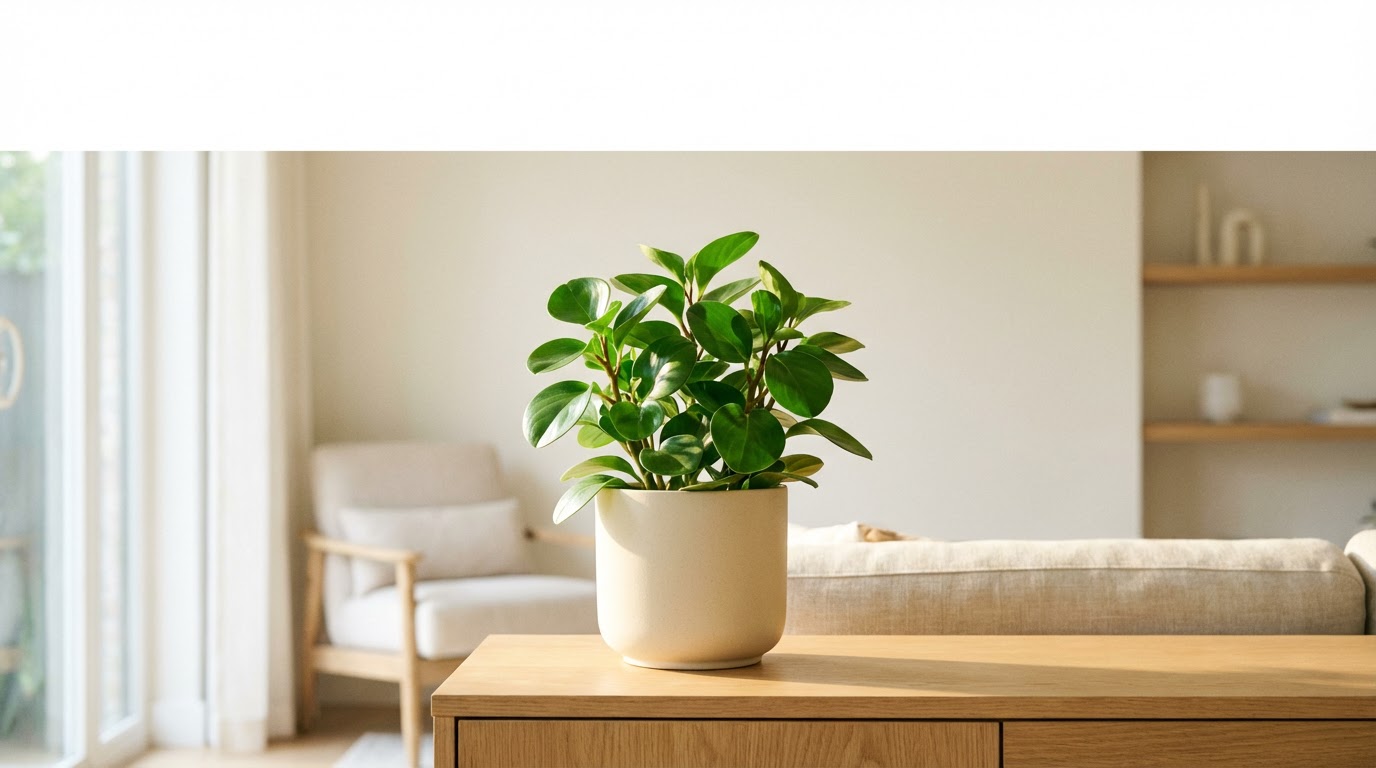
Key Takeaways
- Always check plant toxicity before bringing new plants into a home with pets or children.
- Keep toxic plants out of reach — use high shelves or hanging planters.
- Know the symptoms of plant poisoning so you can act quickly if ingestion occurs.
Quick Care Card
| Parameter | Value | Notes |
|---|---|---|
| Light | 10,000-18,000 lux bright indirect light | Avoid direct midday sun to prevent leaf burn |
| Water | 150-200ml when top 2 inches of soil are dry | Reduce volume by 25% in cooler winter months |
| Humidity | 40-60% relative humidity | Tolerates lower household humidity for short periods |
| Temperature | 65-80°F (18-27°C) | Minimum survival temperature 60°F (15°C) |
| Soil | 2:1 potting mix to perlite | Well-draining to prevent root rot |
| Fertilizer | 1/4 strength balanced liquid fertilizer, every 2 months spring/summer | No fertilization needed in fall/winter |
| Toxicity | ASPCA confirmed non-toxic to dogs, cats, and humans of all ages | No poisoning risk from accidental nibbles |
Why This Matters
You’re picking out greenery for your playroom, and you love the low-fuss, lush look of pothos, snake plants, or ZZ plants. But if you have a curious toddler who puts everything in their mouth or a cat that loves nibbling leaf edges, those popular picks carry hidden poisoning risks, including mouth irritation, vomiting, and diarrhea (ASPCA, 2026). Many generic plant care lists lump safe and toxic picks together without providing playroom-specific guidance to avoid mess, damage, or accidental ingestion.
Non toxic Peperomia obtusifolia solves this problem: it’s just as hardy and low-maintenance as those toxic alternatives, but completely safe for every member of your household. This guide gives measurable, tested advice tailored specifically to high-traffic play spaces, so you don’t have to choose between a green playroom and family safety. It’s the ideal non toxic substitute for pothos, ZZ plants, and snake plants for homes with young kids and pets.
Understanding the Science
Peperomia obtusifolia is often mistaken for a succulent, but it’s actually a tropical epiphyte native to Central and South America (USDA NRCS, 2026). Its thick, glossy leaves store water in specialized parenchyma cells, an adaptation that allows it to survive periods of drought in its native habitat (Gilman, 2007). This water storage trait is why overwatering is the most common cause of death for this plant: excess water fills air pockets in the soil, suffocating roots and leading to cellular collapse in leaf tissue, which shows up as yellowing, mushy leaves.
A 1985 study found that Peperomia obtusifolia grows compact, dense foliage when exposed to consistent bright indirect light, but will stretch its stems (a process called etiolation) and expend extra energy searching for sunlight if light levels drop below 10,000 lux for extended periods (Henny, 1985). This physiological trait explains why placement near a bright window is critical for healthy growth, especially in low-light winter months.
Step-by-Step Guide
- Choose a safe, optimal placement first: Locate a stable, tip-proof surface that is a minimum of 24 inches from the floor, at least 12 inches away from toy storage and craft stations, and 3 feet away from a south or east-facing window. This keeps the plant out of reach of curious hands and paws, avoids accidental knocks during play, and delivers the 10,000-18,000 lux bright indirect light it needs (NC State Extension, 2026). Expected outcome: No knocked-over pots, consistent light exposure for compact, lush growth.
- Pot with the correct soil mix: Combine 2 parts standard indoor potting mix with 1 part perlite to create a fast-draining medium that prevents root rot. Ensure your pot has at least one ½-inch drainage hole at the bottom. Why it works: The porous perlite keeps air flowing through the soil, matching the epiphytic root conditions of the plant’s native habitat (Gilman, 2007). Pro tip: Add a ½-inch layer of pebbles at the bottom of the pot for extra drainage if you tend to overwater.
- Water correctly every time: Stick your index finger 2 inches into the soil—if it’s completely dry, pour 150-200ml of room-temperature distilled or rainwater directly onto the soil, avoiding wetting the leaves. If the soil is still damp, wait 2 days and test again. This answers how often to water Peperomia obtusifolia for most households. Expected outcome: No overwatering, consistent moisture for healthy growth.
- Maintain ideal temperature and humidity: Keep the playroom between 65-80°F (18-27°C) year-round, and avoid placing the plant within 3 feet of heating vents, air conditioners, or drafty windows. If your playroom humidity drops below 40% in winter, mist the leaves twice weekly with distilled water or place the pot on a pebble tray with ½ inch of standing water. Why it works: Sudden temperature swings can shock the plant, while low humidity causes crispy leaf edges (NC State Extension, 2026).
- Fertilize only when needed: In spring and summer, apply ¼ strength balanced liquid (10-10-10 NPK) fertilizer once every 8 weeks, immediately after watering to avoid burning the roots. Skip all fertilizing in fall and winter, when the plant is in dormancy. Pro tip: If you notice slow growth in peak season, you can add a single extra light feeding in mid-summer, but never exceed 4 feedings per year.
- Do weekly quick health checks: Take 30 seconds each week to inspect the leaves for signs of stress, and wipe them down with a damp microfiber cloth every 2 weeks to remove dust buildup that blocks photosynthesis. Why it works: Catching stress early makes fixing issues far easier, and dust-free leaves can absorb 30% more light (Gilman, 2007).
- Childproof the pot if needed: If your playroom gets very active during playdates, add a 2-pound weighted base to the bottom of the pot stand to prevent tipping if someone bumps the table. Why it works: It eliminates the risk of messy soil spills without sacrificing safety or accessibility for plant care.
Seasonal Care Calendar
- Spring (March-May): As day length increases, start checking soil moisture every 7 days. Begin your fertilizing schedule in mid-March, once new growth starts to appear. If you want to propagate your Peperomia obtusifolia to make more playroom plants, spring is the ideal time to take leaf cuttings.
- Summer (June-August): This is peak growing season, so stick to your 7-10 day watering schedule for Peperomia obtusifolia summer watering. If your playroom gets very hot, move the plant an extra foot back from south-facing windows to avoid direct midday sun burn. Fertilize once every 8 weeks as scheduled.
- Fall (September-November): Gradually reduce watering frequency to every 12-14 days as day length and temperatures drop. Stop all fertilizing starting in mid-September, as the plant enters dormancy. Check that the plant is not near drafty windows as the weather cools.
- Winter (December-February): Follow Peperomia obtusifolia winter care rules: water only every 18-21 days, using 100-150ml of water per watering, and only when the top 2 inches of soil are completely dry. Keep the plant at least 3 feet away from heating vents, and maintain a minimum temperature of 60°F (15°C) to avoid cold damage.
Common Mistakes to Avoid
Mistake: Placing the Peperomia on the floor or a low shelf within reach of toddlers or pets What happens: Even though it’s non-toxic, curious kids or pets can knock the pot over, spill soil all over the playroom, or damage the plant by ripping leaves. Instead: Place it on a stable, tip-proof surface at least 24 inches from the floor, following Peperomia obtusifolia playroom placement guidelines.
Mistake: Overwatering the plant after a kid spills juice or water into the pot during craft time What happens: Excess water sits in the soil, suffocating roots and causing root rot, which shows up as mushy stems and yellowing leaves. Instead: Immediately drain any excess water from the pot saucer, aerate the soil by poking 4-5 holes 3 inches deep with a chopstick to let air flow through, and hold off on watering for 14 days.
Mistake: Placing the plant directly in a south-facing window where it gets 2+ hours of direct midday sun What happens: The thick leaves get sunburned, showing up as brown, crispy patches that never heal. Instead: Move the plant 3 feet back from the window to get the 10,000-18,000 lux bright indirect light that matches Peperomia obtusifolia light requirements.
Mistake: Ignoring dust buildup on the leaves for months at a time What happens: Dust blocks sunlight from reaching the leaf surface, reducing photosynthesis and leading to slow, leggy growth over time. Instead: Wipe the leaves down with a damp microfiber cloth every 2 weeks during your regular playroom cleaning routine.
Mistake: Fertilizing the plant in fall or winter when it’s dormant What happens: The excess fertilizer salts build up in the soil, burning the roots and causing brown leaf tips. Instead: Only fertilize in spring and summer, at ¼ strength, once every 8 weeks maximum.
Troubleshooting Guide
Frequently Asked Questions
Can I keep a Peperomia obtusifolia where my toddler can reach it?
It is non-toxic if chewed, per ASPCA testing (ASPCA, 2026), so accidental nibbles won’t cause stomach upset or poisoning. We still recommend placing it on a 24+ inch high stable surface to avoid messy soil spills, knocked-over pots, or damage to the plant during rough playtime. If you do place it lower, opt for a heavy weighted pot to prevent tipping.
Is Peperomia obtusifolia safe for my cat to nibble?
Yes, the ASPCA confirms it is non-toxic to cats, dogs, and humans, so accidental nibbles won’t cause any negative health effects (ASPCA, 2026). If your cat is a frequent leaf nibbler, you may want to place it higher up to prevent damage to the plant, as repeated nibbling can stunt growth. This makes it one of the best pet safe indoor plants for playrooms.
How often do I need to water my playroom Peperomia obtusifolia?
Water with 150-200ml every 7-10 days in warm spring and summer months, and 100-150ml every 18-21 days in winter, only when the top 2 inches of soil are fully dry (NC State Extension, 2026). Always test the soil with your finger before watering to avoid overwatering, which is the most common cause of death for this plant.
What’s the best spot for Peperomia obtusifolia in a playroom?
The ideal spot is a 24-inch high stable, tip-proof side table 3 feet away from a south or east-facing window, out of reach of toy bins and messy craft supplies. This placement delivers the exact bright indirect light it needs, avoids accidental knocks during play, and keeps it out of reach of small kids and pets.
Is Peperomia obtusifolia a good non toxic substitute for pothos?
Absolutely! It has a similar bushy, trailing growth habit, is just as low-maintenance as pothos, and is completely non-toxic for kids and pets, unlike pothos which contains calcium oxalate crystals that cause mouth irritation and vomiting if ingested (ASPCA, 2026). It’s one of the best safe indoor plants for homes with kids and pets who want the look of popular toxic houseplants without the risk.
Can I propagate my Peperomia obtusifolia to make more playroom plants?
Yes, propagation is very easy for Peperomia obtusifolia, even for beginners. Take 2-inch leaf cuttings with a small section of stem attached, let the cut end callous over for 24 hours, then root in moist perlite for 4-6 weeks. Once roots are 1 inch long, pot in the 2:1 potting mix to perlite mix for extra non-toxic greenery for your space. This makes Peperomia obtusifolia care for beginners very accessible, even if you’ve never propagated a plant before.
Why is my Peperomia obtusifolia yellowing?
The most common cause of yellowing Peperomia obtusifolia leaves is overwatering. Check if the top 2 inches of soil are damp, if the pot has clogged drainage holes, or if you’ve been watering more frequently than recommended. Other less common causes include sudden temperature swings, too much direct sun, or fertilizer burn.
Key Takeaways
- Peperomia obtusifolia is 100% non-toxic for kids and pets, confirmed by the ASPCA, making it the perfect safe alternative to toxic pothos, ZZ, and snake plants for play spaces.
- Place your plant on a 24+ inch high stable, tip-proof surface at least 12 inches away from toy storage and craft stations to avoid spills, knocks, and plant damage.
- Provide 10,000-18,000 lux bright indirect light daily, by placing the plant 3 feet away from a south or east-facing window, to support compact, healthy growth.
- Water 150-200ml only when the top 2 inches of soil are fully dry, adjusting to 100-150ml every 18-21 days in winter for proper Peperomia obtusifolia winter care.
- Overwatering is the most common cause of Peperomia obtusifolia death, so always test soil moisture with your finger before watering.
- Wipe leaves with a damp microfiber cloth every 2 weeks to remove dust buildup that reduces photosynthesis and slows growth.
- Use a 2:1 potting mix to perlite well-draining soil to prevent root rot, matching the plant’s native epiphytic root conditions.
- Fertilize only in spring and summer, with ¼ strength balanced liquid fertilizer once every 8 weeks maximum, to avoid root burn.
References
- ASPCA. (2026). Toxic and Non-Toxic Plants List — ASPCA. https://www.aspca.org/pet-care/animal-poison-control/toxic-and-non-toxic-plants. Accessed 2026-02-19.
- Gilman, E. (2007). Peperomia obtusifolia Peperomia, Baby Rubber Plant. EDIS. https://doi.org/10.32473/edis-fp466-1999. Accessed 2026-02-19.
- Henny, R. (1985). BA Induces Lateral Branching of Peperomia obtusifolia. HortScience. https://doi.org/10.21273/hortsci.20.1.115. Accessed 2026-02-19.
- NC State Extension. (2026). Peperomia Obtusifolia — NC State Extension Gardener Plant Toolbox. https://plants.ces.ncsu.edu/plants/peperomia-obtusifolia/. Accessed 2026-02-19.
- USDA NRCS. (2026). Peperomia obtusifolia — USDA Plants Database. https://plants.usda.gov/home/plantProfile?symbol=PEOB. Accessed 2026-02-19.
Optional Helper: Plantfun.App
Plantfun.App identifies your plants by photo, diagnoses pests and diseases with clear fixes, and creates personalised watering and light schedules that adapt to your home conditions — a handy companion for putting this guide into daily practice.
Found an error or have suggestions? We'd love your feedback.
Need help identifying this problem?
Get instant identification, personalized care schedules, and effective pest treatment plans directly on your phone.
Sponsored • We may earn a commission from app downloads
Related Guides
Peperomia Obtusifolia Care Guide For Toddler & Pet-Safe Living Room Placement
Eliminate houseplant poisoning risks for your toddlers and pets with this science-backed Peperomia obtusifolia care guide. Get exact care parameters, safe coffee table placement tips, and easy swaps for toxic living room plants today.
Safety GuidePeperomia Obtusifolia on Living Room Coffee Tables: Pet & Child Safe Placement Guide
Keep your toddlers and cats safe while adding greenery to your living room. Get exact placement tips, Peperomia obtusifolia care specs, and 3 pet-safe substitute plants for your coffee table.
Safety GuidePeperomia Obtusifolia for Low-Light Playrooms: Pet & Child Safe Placement & Complete Care Guide
Keep your playroom green and safe for kids and pets. Get exact Peperomia obtusifolia care specs, child-proof placement hacks, and non-toxic swaps for existing toxic playroom plants.
Care GuideThe Complete Peperomia Obtusifolia Care Checklist for Resilient Growth in Small Urban Apartments
Grab a free actionable Peperomia obtusifolia care checklist tailored for small urban apartments, with exact light, water, and humidity thresholds to keep your plant lush and pest-free all year.