
Key Takeaways
- Always check plant toxicity before bringing new plants into a home with pets or children.
- Keep toxic plants out of reach — use high shelves or hanging planters.
- Know the symptoms of plant poisoning so you can act quickly if ingestion occurs.
Quick Care Card
| Care Spec | Exact Value | Notes |
|---|---|---|
| Light | 8,000–15,000 lux | Bright indirect light; avoid unfiltered direct sun |
| Water | 100–150ml filtered water | Only apply when top 2 inches of soil are fully dry |
| Humidity | 40–50% RH | Tolerates standard household playroom humidity levels |
| Temperature | 60–80°F (15–27°C) | Keep away from drafty windows and heating vents |
| Soil | 2:1 potting mix to perlite | Well-draining to prevent root rot |
| Fertilizer | 1/2-strength liquid houseplant fertilizer | Apply once every 2 months spring through summer only |
| Toxicity | 100% non-toxic | Safe for cats, dogs, and humans per ASPCA |
Safe Substitution Comparison
Wondering how peperomia stacks up against popular plants you might have considered for your playroom? This side-by-side breakdown makes it easy to choose the safest option:
| Plant | Toxicity Level | Care Difficulty | Decor Versatility |
|---|---|---|---|
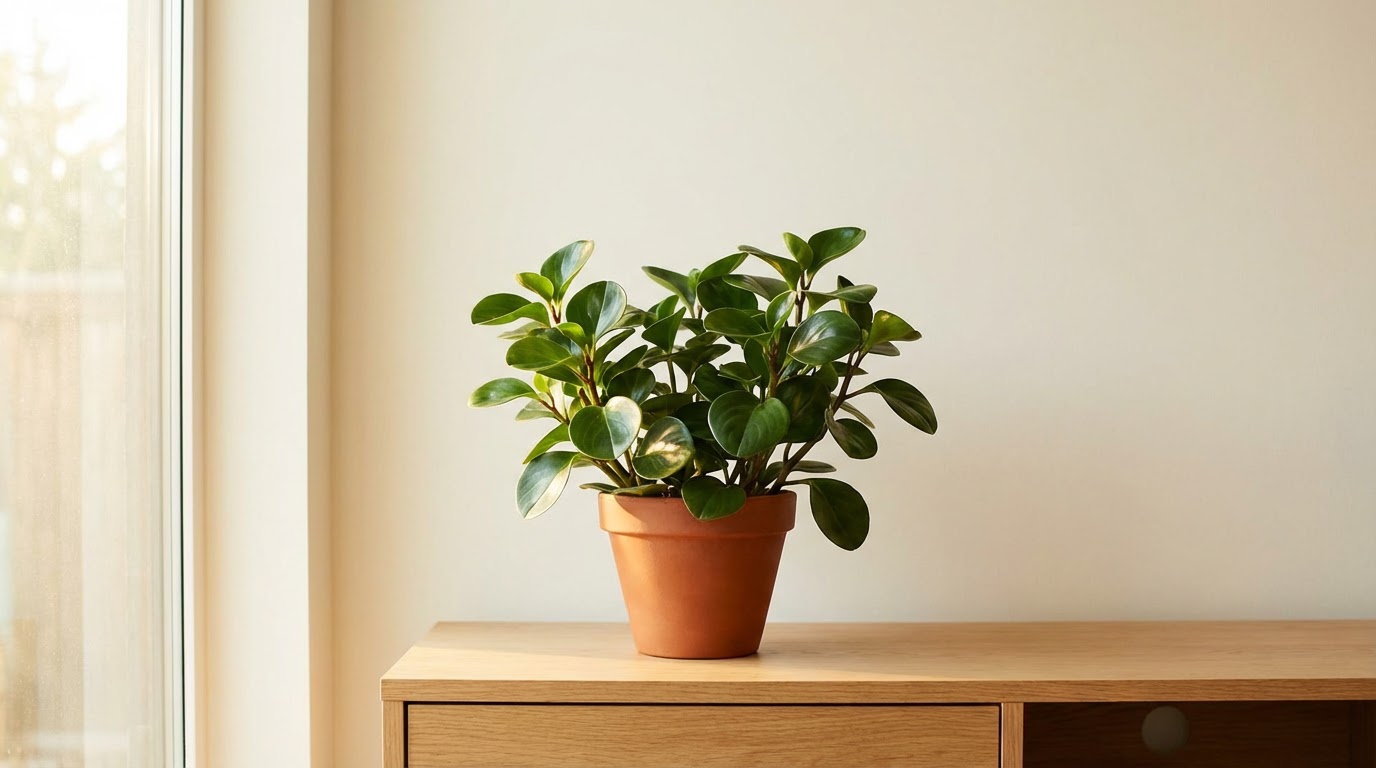
| Peperomia obtusifolia | 100% non-toxic to kids, cats, dogs | Very easy (tolerates missed waterings, low light) | Compact bushy growth fits shelves, cubbies, and small planters; deep green leaves match all decor styles |
| Pothos | Toxic (contains calcium oxalate crystals; causes mouth pain, vomiting if nibbled) | Very easy | Vining growth works for shelves and hanging planters |
| Snake Plant | Toxic (contains calcium oxalate crystals; causes nausea, swelling if nibbled) | Very easy | Tall upright growth fits floor corners |
| ZZ Plant | Toxic (contains calcium oxalate crystals; causes stomach pain, diarrhea if nibbled) | Very easy | Shiny upright growth fits shelves and floor planters |
Why This Matters
You’re picking out decor for your new playroom, and you spot a lush pothos that would fit perfectly in the empty corner by the block bin. What you might not know is that most common low-maintenance houseplants (including pothos, snake plants, and ZZ plants) contain toxic calcium oxalate crystals that cause mouth pain, swelling, and vomiting if nibbled by toddlers or curious cats. Non toxic playroom plants that are both low-effort and aesthetically pleasing are hard to find, which is why peperomia obtusifolia is such a game-changer for families.
Most generic plant care guides skip the specific risks of playroom placement: low floor access, curious tiny hands, frequent temperature swings from heating or open windows, and choking hazards from decorative pot toppers. This guide solves that by pairing exact, science-backed peperomia obtusifolia care specs with safety hacks that keep both your plant and your family protected, no green thumb required. If you’re looking for a safe substitute for pothos in playroom spaces, this is your go-to option. For more family-friendly greenery ideas, check out our curated list of pet safe indoor plants for kids.
Playroom Placement Safety Audit Checklist
Before you set up your peperomia, use this quick checklist to pick the perfect spot that balances plant health and family safety:
Approved Safe Spots
- 24-inch high wall-studded secured corner floating shelf (cannot be pulled down by toddlers)
- Inside upper open play cubby (at least 2 feet off the floor, not reachable from play mats)
- Behind lightweight baby gate edge (separating plant area from active play space)
High-Risk Spots to Avoid
- Floor level (even non-toxic plants pose knock-over and soil spill risks, plus pot parts can be choking hazards)
- Within 12 inches of small craft supply storage (kids reaching for crayons, playdough, or markers can easily knock the plant over)
Understanding the Science
Peperomia obtusifolia’s unique physiology makes it perfectly suited for high-traffic playrooms, per research from the University of Florida’s EDIS program (Gilman, 2007). Its thick, succulent-like leaves store extra water and nutrients, meaning it can bounce back from accidental knocks, missed waterings, and occasional rough handling far better than thin-leafed plants like pothos or philodendron.
Unlike toxic common playroom plants, peperomia obtusifolia does not contain sharp, irritating calcium oxalate crystals in its foliage, and it is classified as 100% non-toxic to cats, dogs, and humans by the ASPCA (2026). Additional horticultural research found that peperomia obtusifolia’s dense, bushy growth habit (easily encouraged with small doses of branching hormone) means it maintains an attractive shape even in lower playroom light conditions (Henny, 1985).
Step-by-Step Guide
Follow these exact steps to set up your playroom peperomia for long-term success:
- Pick the right pot and soil: Use a 6-inch unglazed terracotta pot with drainage holes, and fill it with a 2:1 ratio of all-purpose potting mix to perlite for fast drainage. This mix prevents root rot even if you accidentally overwater after a busy week of school and sports. Pro tip: Add a ½-inch layer of fine coconut coir as top dressing instead of decorative pebbles to eliminate choking hazards for toddlers.
- Transplant correctly: Remove your peperomia from its nursery pot, and plant it at the exact same depth it was growing previously. Pack the soil lightly around the root ball to avoid compaction, which restricts water flow. Expected outcome: No transplant shock, with new growth appearing within 2–3 weeks.
- Choose a safe placement spot: Select one of the approved spots from the safety audit checklist above. This keeps the plant out of reach of tiny hands and cat paws to avoid nibbling or knocked-over pots. For more creative placement ideas, check out our full guide to peperomia obtusifolia placement tips.
- Test and adjust light levels: Position the plant 3–4 feet from a south-facing playroom window to get 8,000–12,000 lux of filtered bright indirect light, the ideal peperomia obtusifolia light levels for lush growth. Quick test: Hold your hand up where the plant sits at midday on a sunny day; if you see a faint shadow, the light is perfect. If your playroom has limited natural light, reference our peperomia obtusifolia low light care guide for adjustments.
- First watering: Give your newly transplanted peperomia 120ml of room-temperature filtered water, pouring slowly around the base of the plant until water just starts to drip out the bottom of the pot. Avoid wetting the leaves to prevent fungal spots.
- Set a care reminder: Add a recurring check-in to your phone every 7–10 days to test soil moisture. Stick your index finger 2 inches into the soil; if it feels completely dry, it’s time to water.
- First fertilization wait: Wait 2 months after transplanting to apply your first dose of diluted fertilizer, to avoid burning the young, delicate roots.
Seasonal Care Calendar
Adjust your care routine throughout the year to match your peperomia’s growth cycle and playroom conditions:
- Spring (March–May): As day length increases, bump your watering amount to 150ml every 10 days, when the top 2 inches of soil are dry. Apply one dose of ½-strength liquid houseplant fertilizer at the start of spring, and repeat every 2 months through the end of summer.
- Summer (June–August): This is peak growing season for peperomia. Water 150ml every 7 days, and mist the foliage weekly if your playroom’s relative humidity drops below 40% (the minimum peperomia obtusifolia humidity requirements for healthy growth). Keep the plant 3+ feet away from unfiltered south-facing windows to avoid sunscald.
- Fall (September–November): Slow care as growth slows. Reduce watering to 120ml every 14 days, and stop fertilizing entirely to let the plant enter dormancy. Move it away from any open windows that bring in cool fall drafts.
- Winter (December–February): Follow peperomia obtusifolia winter care rules closely: water only 100ml every 21 days, when the top 3 inches of soil are dry (playroom heating can dry out topsoil faster than deeper soil). Keep the plant at least 12 inches away from drafty windows and heating vents to avoid leaf damage.
Common Mistakes to Avoid
Mistake: Placing peperomia on the floor at play level What happens: Risk of toddler or pet nibbling, or knocked-over pots that spill soil everywhere Instead: Mount the plant on a wall-studded secured 24-inch high floating shelf, or place it in an upper play cubby out of reach.
Mistake: Overwatering to compensate for dry playroom heating What happens: Soggy soil leads to root rot, mushy yellow leaves, and eventual plant death Instead: Only water when the top 2 inches of soil are fully dry, and use a $5 moisture meter for 100% accuracy if you’re unsure.
Mistake: Placing the plant in unfiltered direct sunlight from a playroom window What happens: Harsh UV rays cause sunscald, leading to pale yellow or brown crispy leaf spots Instead: Move the plant 3 feet back from the window, or hang a sheer curtain to filter harsh midday rays.
Mistake: Using decorative pebbles, marbles, or glass beads as pot top dressing What happens: These small items are a major choking hazard for curious toddlers who put everything in their mouths Instead: Use fine organic coconut coir as top dressing; it’s soft, non-toxic, and helps retain soil moisture without any safety risks.
Mistake: Fertilizing in fall and winter to encourage faster growth What happens: Dormant plants can’t absorb extra nutrients, leading to salt buildup in the soil that burns roots and damages foliage Instead: Only fertilize in spring and summer, when the plant is actively growing.
Troubleshooting Guide
Frequently Asked Questions
Can I keep peperomia obtusifolia in my playroom if I have a toddler that chews everything?
Yes! Peperomia obtusifolia is 100% non-toxic to toddlers, so even if your little one takes a nibble of the leaves, they will not experience any adverse reactions. We recommend placing it at least 24 inches off the floor on a secured shelf to avoid knocked-over pots and soil spills, but the foliage itself is completely safe for even the most curious chewers.
Is peperomia obtusifolia toxic to cats that like to nibble plant leaves?
No, peperomia obtusifolia is 100% non-toxic to cats, dogs, and humans per the ASPCA (2026). Even if your cat takes a few bites of the leaves, they will not experience the mouth pain, swelling, or vomiting that comes with nibbling toxic plants like pothos or snake plants. For more low-effort greenery options, check out our full list of pet safe indoor plants for kids.
Is peperomia obtusifolia toxic to toddlers?
No, peperomia obtusifolia is completely safe for toddlers of all ages. It contains no toxic calcium oxalate crystals or other harmful compounds, so accidental nibbles will not cause any adverse reactions. We still recommend placing the plant at least 24 inches off the floor to avoid knocked-over pots and soil spills, even though the foliage itself is non-toxic.
How often do I need to water my peperomia in a heated playroom in winter?
For peperomia obtusifolia winter care in heated spaces, you only need to water 100ml every 21 days, or when the top 2 inches of soil are completely dry. Playroom heating can dry out the top layer of soil quickly, so always test deeper soil moisture before watering to avoid overwatering. If you’re unsure, a moisture meter is an inexpensive tool to take the guesswork out of how often to water peperomia obtusifolia.
Can peperomia obtusifolia survive in a low-light playroom corner?
Yes, peperomia obtusifolia is highly tolerant of low light conditions, as long as it gets a minimum of 5,000 lux of indirect light (equivalent to light from a north-facing window, or a bright room with no direct sun). It may grow slower and have less dense foliage in low light, but it will stay healthy for years with proper care.
What is a safe substitute for pothos in a playroom?
Peperomia obtusifolia is the best safe substitute for pothos in playroom spaces. It has a similar lush, bushy green appearance, requires the same low-effort care, and is 100% non-toxic to kids and pets, unlike pothos which contains toxic calcium oxalate crystals. It’s also a great alternative to other common toxic playroom plants like snake plants and ZZ plants.
Can I use peperomia obtusifolia as a non toxic floor plant for playroom spaces?
While peperomia obtusifolia is non-toxic, we don’t recommend placing it directly on the floor of your playroom unless it’s behind a baby gate. Curious toddlers and pets can knock over the pot, spill soil, or chew on the plastic drainage tray, which can be a choking hazard if they bite off small pieces. For floor placement, pair it with a heavy, tall planter that can’t be tipped over easily.
Is peperomia care for beginners easy?
Yes, peperomia care for beginners is extremely straightforward. It tolerates missed waterings, low light, and typical household humidity levels far better than most popular houseplants. The only hard rule to remember is to avoid overwatering, which is the most common cause of peperomia death.
Key Takeaways
- Peperomia obtusifolia is 100% non-toxic to kids and pets, making it the ideal greenery addition for playroom spaces (ASPCA, 2026)
- Place your peperomia at least 24 inches off the floor on a secured shelf or upper cubby to avoid nibbling, knocked-over pots, and soil spills
- Water with 100–150ml of filtered water only when the top 2 inches of soil are fully dry to avoid root rot, the most common cause of peperomia death
- Maintain 8,000–15,000 lux of bright indirect light for full, vibrant bushy growth; it will tolerate lower light levels but may grow slower
- Use fine organic coconut coir instead of decorative pebbles or marbles as pot top dressing to eliminate choking hazards for toddlers
- Keep your peperomia at least 12 inches away from drafty playroom windows and heating vents in winter to avoid leaf damage
- Only apply ½-strength liquid fertilizer once every 2 months during spring and summer; skip fertilizing entirely in fall and winter
- Peperomia obtusifolia is the ideal safe substitute for pothos, snake plants, and ZZ plants, which all contain toxic calcium oxalate crystals that irritate the mouth and throat if nibbled
References
- ASPCA. (2026). Toxic and Non-Toxic Plants List — ASPCA. https://www.aspca.org/pet-care/animal-poison-control/toxic-and-non-toxic-plants. Accessed 2026-02-19.
- Gilman, E. (2007). Peperomia obtusifolia Peperomia, Baby Rubber Plant. EDIS. https://doi.org/10.32473/edis-fp466-1999. Accessed 2026-02-19.
- Henny, R. (1985). BA Induces Lateral Branching of Peperomia obtusifolia. HortScience. https://doi.org/10.21273/hortsci.20.1.115. Accessed 2026-02-19.
Optional Helper: Plantfun.App
Plantfun.App identifies your plants by photo, diagnoses pests and diseases with clear fixes, and creates personalised watering and light schedules that adapt to your home conditions — a handy companion for putting this guide into daily practice.
Found an error or have suggestions? We'd love your feedback.
Need help identifying this problem?
Get instant identification, personalized care schedules, and effective pest treatment plans directly on your phone.
Sponsored • We may earn a commission from app downloads
Related Guides
Peperomia Obtusifolia Care for Pet & Toddler Accessible Low-Light Coffee Tables
Skip toxic coffee table houseplants like Ficus elastica or ZZ plants that harm curious pets and toddlers. Get exact, science-backed care parameters for non-toxic Peperomia obtusifolia that thrives in low-light living rooms with zero safety risks, no harmful sprays or barriers required.
Safety GuidePeperomia Obtusifolia Care for Playroom Placement: Pet & Child Safe Tips That Work
Keep your playroom green and hazard-free with this Peperomia obtusifolia care guide. Get exact placement specs, low-fuss care rules, and non-toxic plant swaps to protect curious toddlers and pets from accidental poisoning or injury.
Safety GuidePeperomia Obtusifolia For Toddler & Cat Playrooms: Non-Toxic Placement & Care Guide
Keep your playroom green and hazard-free with this Peperomia obtusifolia guide. Get exact placement heights, non-toxic care tips, and 3 safe substitute plants for homes with kids and cats, tailored to every light level and play space layout.
Care GuideThe Complete Peperomia Obtusifolia Care Checklist for Resilient Growth in Small Urban Apartments
Grab a free actionable Peperomia obtusifolia care checklist tailored for small urban apartments, with exact light, water, and humidity thresholds to keep your plant lush and pest-free all year.