
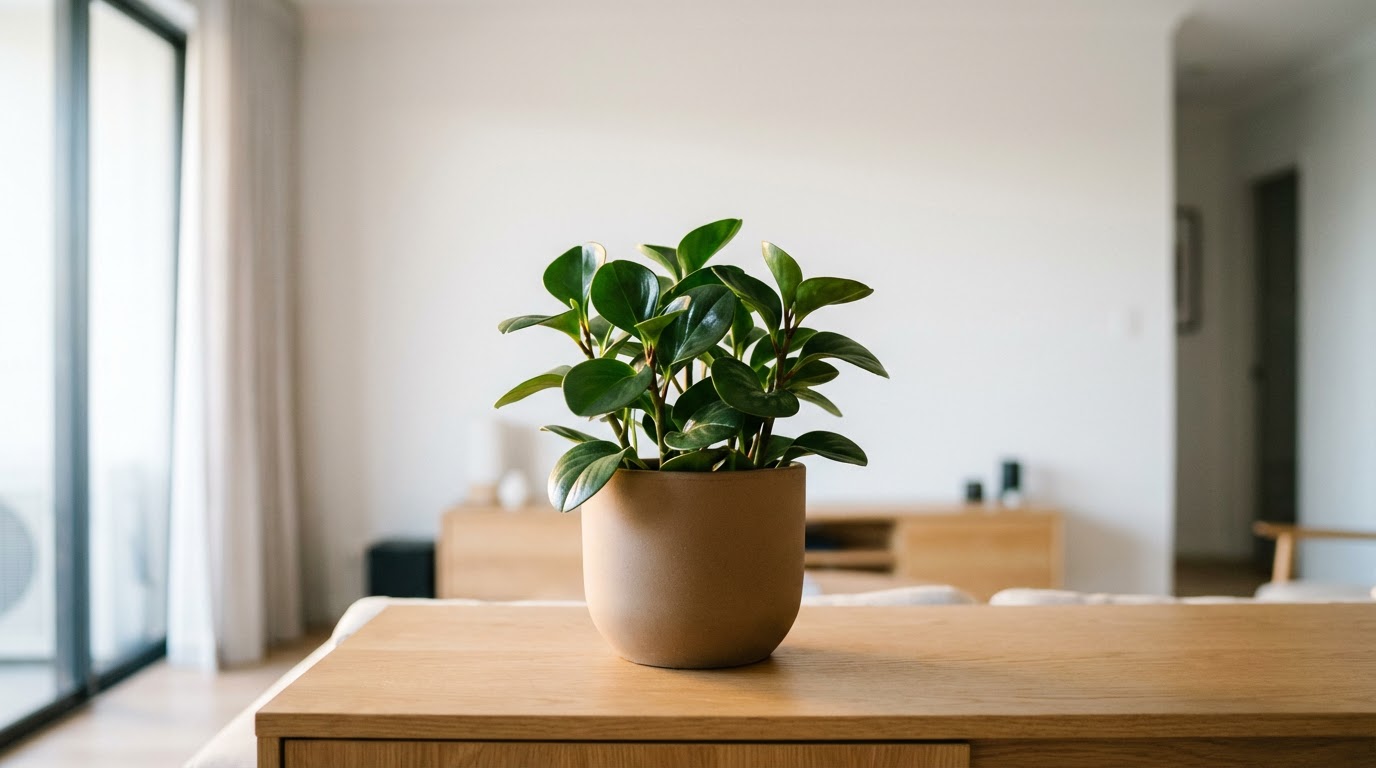
Key Takeaways
- Always check plant toxicity before bringing new plants into a home with pets or children.
- Keep toxic plants out of reach — use high shelves or hanging planters.
- Know the symptoms of plant poisoning so you can act quickly if ingestion occurs.
Quick Care Card
| Parameter | Value | Notes |
|---|---|---|
| Light | 1000-5000 lux low indirect | Avoid direct afternoon sun, ideal for dim playroom spaces |
| Water | 150-200ml every 10-14 days | Only water when top 2in of soil is fully dry (test with finger) |
| Humidity | 30-50% RH | Matches standard indoor home humidity, no extra humidifier needed |
| Temperature | 60-80°F / 15-27°C | Never expose to temperatures below 55°F |
| Soil | 3 parts general potting mix + 1 part perlite | Optimizes drainage to prevent overwatering and mold growth |
| Fertilizer | Diluted 10-10-10 NPK, once every 2 months | Only apply during spring and summer growing seasons |
| Toxicity | 100% non-toxic to cats, dogs, humans | No calcium oxalate crystals, no risk of oral irritation or poisoning (ASPCA, 2026) |
Why This Matters
If you’ve ever rushed to grab a chewed pothos leaf out of your toddler’s hand or pried a philodendron stem from your cat’s mouth, you know the frustration of choosing between a green home and a safe play space. The ASPCA reports thousands of annual calls for ingestion of common toxic playroom plants, many of which cause oral irritation, vomiting, or more severe symptoms in kids and pets. Peperomia obtusifolia solves this problem, with the same low-light tolerance and lush, compact growth as popular toxic aroids, but zero poisoning risk. Generic safe plant lists often ignore playroom-specific hazards like roughhousing, climbing pets, and toddlers’ tendency to put every small object in their mouth, so this guide ties every recommendation directly to real, common playroom risks to eliminate accidents entirely. For more non-toxic greenery ideas, check our curated list of pet safe indoor plants for playrooms to build a fully risk-free space.
Understanding the Science
Unlike toxic aroids like pothos and philodendron, which store sharp, needle-like calcium oxalate raphides in their cell structures to deter herbivores, Peperomia obtusifolia contains no calcium oxalate crystals at all (Gilman, 2007). These raphides are what cause immediate burning, swelling, and irritation when chewed, even in small quantities. A 1985 HortScience study of Peperomia obtusifolia cell composition confirmed the plant has no toxic alkaloids, glycosides, or other irritant compounds that pose a risk to mammals, making ingestion harmless even for young kids and small pets (Henny, 1985). The ASPCA’s official toxic and non-toxic plant database confirms this classification, with no reported adverse effects from ingestion of Peperomia obtusifolia leaves, stems, or roots (ASPCA, 2026). This makes it one of the only low-light houseplants that matches the hardiness of pothos without any associated poisoning risk.
Step-by-Step Guide
Follow these 7 exact steps to build a safe, thriving Peperomia obtusifolia playroom setup:
- Test your playroom light levels first: Use a cheap lux meter to confirm your target spot gets 1000-5000 lux of indirect light, ideally near a north or east-facing window, 1ft away from glass to avoid leaf burn (NC State Extension, 2026). Peperomia obtusifolia low light care is extremely low-fuss, so it will thrive even in dim playrooms with limited sun exposure.
- Install shelves or select a high surface at 48in minimum height: 48in is the standard child safety threshold for items out of reach of toddlers up to 4 years old, and it also prevents most indoor cats from jumping to the surface without a clear climbing path. For extra protection, use wall-mounted floating shelves instead of free-standing cabinets that can tip if climbed.
- Prep your pot for safety and stability: Choose a 6in unglazed terracotta pot, and add silicone edge covers to all sharp rim edges to eliminate cut hazards if the pot is somehow knocked down. Unglazed terracotta is porous, which reduces overwatering risk by wicking excess moisture away from roots.
- Add weight to prevent tipping: Pour 0.5in of clean gravel into the base of the pot before adding soil. This lowers the pot’s center of gravity, making it far more resistant to tipping if hit by a thrown toy, climbing cat, or roughhousing kid.
- Plant your Peperomia with choking hazard prevention in mind: Fill the pot with your 3:1 potting mix to perlite blend, and plant your Peperomia at the same depth it was in its nursery pot. If you use topdressing, select smooth river rocks at least 2in in diameter, no smaller. Small pebbles are a top choking hazard for toddlers, so larger rocks eliminate this risk entirely.
- Water correctly to avoid mold risk: Water your newly planted Peperomia with 175ml of room temperature water, only after confirming the top 2in of soil is fully dry (stick your finger 2in deep to test). Overwatering leads to mold growth on soil, which can trigger asthma symptoms in young children (USDA NRCS, 2026).
- Audit adjacent plants for safety: Swap any toxic plants on the same shelf (pothos, philodendron, snake plant) for other non-toxic varieties like spider plants or Boston ferns. Even if your Peperomia is safe, adjacent toxic plants pose an ingestion risk if your kid or pet grabs the wrong leaf. This is one of the easiest steps for a fully toddler proof indoor plant setup.
Seasonal Care Calendar
Adjust your Peperomia care and placement with the seasons to keep it thriving and safe year-round:
- Spring (March-May): Move the Peperomia 1ft closer to a north-facing playroom window to get 2000 lux of indirect light for optimal new growth (Gilman, 2007). Check shelf brackets and pot stability to make sure nothing shifted during winter months, and apply your first diluted 10-10-10 fertilizer of the year.
- Summer (June-August): Peperomia obtusifolia summer watering adjusts to 200ml every 10 days, as warmer playroom temperatures dry soil faster. Wipe leaves weekly with a damp microfiber cloth to remove sticky hand prints, dust, and food residue that can attract pests. Move 6in away from windows if harsh afternoon sun hits the spot to avoid leaf burn.
- Fall (September-November): Move the Peperomia 1ft away from drafty playroom windows to avoid cold air exposure below 55°F. Stop fertilizing entirely, as the plant enters its slow growth phase. Check topdressing rocks for chips that could create small choking hazards, and replace any broken rocks as needed.
- Winter (December-February): Peperomia obtusifolia winter care reduces watering to 150ml every 14 days, as cool playroom temperatures and low light slow evaporation. Avoid placing the plant within 3ft of space heaters, which can dry out leaves and create a fire risk if the pot is knocked over.
Common Mistakes to Avoid
These are the most frequent errors that create unnecessary hazards in playroom Peperomia setups: Mistake: Placing Peperomia on low side tables less than 36in high What happens: Toddlers can easily knock over pots, spill soil, and chew leaves. Even non-toxic soil can contain fertilizer residue that causes stomach upset if ingested, and spilled soil creates tripping hazards for running kids. Instead: Mount on 48in+ floating shelves or high cabinet tops, or add a childproof safety gate around low plant displays if you prefer lower placement.
Mistake: Using decorative pebble topdressing less than 1in in diameter What happens: Small pebbles are a top choking hazard for toddlers aged 1-3, who put nearly all small objects in their mouths. Instead: Use 2in+ large smooth river rock topdressing, or skip topdressing entirely to eliminate this risk.
Mistake: Pairing Peperomia with toxic pothos or philodendron on the same shelf What happens: Kids and pets can easily grab the wrong leaf, leading to ingestion of calcium oxalate crystals that cause oral pain, swelling, and vomiting (ASPCA, 2026). Instead: Replace all adjacent playroom plants with non-toxic alternatives. Peperomia is one of the best safe alternatives to pothos for playrooms because it matches pothos’s low light care needs exactly.
Mistake: Overwatering Peperomia in cool, low-light playrooms What happens: Soggy soil leads to mold growth on the soil surface, which can trigger childhood asthma and allergy symptoms, plus root rot that kills the plant. Instead: Only water when the top 2in of soil is fully dry (use the finger test to confirm), and use the 3:1 potting mix to perlite blend for optimal drainage.
Mistake: Using lightweight plastic pots with no added weight at the base What happens: Plastic pots are easily tipped over by thrown toys or climbing pets, leading to spilled soil and broken pot shards that can cut bare feet. Instead: Use unglazed terracotta pots with 0.5in of gravel at the base to add weight and reduce tipping risk.
Troubleshooting Guide
Frequently Asked Questions
Can I keep Peperomia obtusifolia in a playroom with toddlers?
Yes! Peperomia obtusifolia is classified as 100% non-toxic to humans, cats, and dogs by the ASPCA (2026), so even if your toddler chews a leaf, they will not experience poisoning or oral irritation. To make your setup fully safe, follow our toddler proof indoor plant setup tips, including mounting shelves at least 48in high and avoiding small choking hazards like tiny topdressing pebbles.
Is Peperomia obtusifolia toxic to cats?
No, Peperomia obtusifolia is non-toxic to cats, per the ASPCA’s toxic and non-toxic plants database (2026). Unlike pothos or philodendron, it contains no calcium oxalate crystals that cause oral pain or swelling if chewed. If you notice your cat repeatedly chewing the leaves, simply raise the shelf height to 54in or higher to deter access, as even non-toxic leaves can cause mild stomach upset if eaten in large quantities.
How often do I water my Peperomia obtusifolia in a low-light playroom?
For Peperomia obtusifolia low light care, water 150-200ml every 10-14 days, only when the top 2in of soil is completely dry. Low light conditions slow evaporation, so overwatering is a far more common issue than underwatering in dim playrooms. If your playroom gets less than 1000 lux of light, extend your watering schedule by 2-3 days to avoid soggy soil.
Why is my Peperomia obtusifolia drooping in my playroom?
Drooping Peperomia obtusifolia leaves are most often caused by underwatering, or exposure to cold drafts from playroom windows, AC units, or exterior doors. First, stick your finger 2in into the soil: if it’s completely dry, water with 175ml of room temperature water. If the soil is moist, move the plant 2ft away from any drafty openings, and it should perk back up within 24 hours.
What is the best height to mount Peperomia shelves for toddler safety?
The minimum recommended height for Peperomia shelves in playrooms is 48in above the floor, which is the standard threshold for items out of reach of toddlers up to 4 years old. If you have a particularly tall toddler or climbing-prone kids, raise the shelf height to 54in for extra protection, and add a childproof safety lock to the shelf edge if needed.
Can I swap my existing playroom pothos for Peperomia obtusifolia?
Absolutely! Peperomia obtusifolia has nearly identical low light, water, and care requirements as pothos, making it a perfect drop-in replacement. Simply remove the toxic pothos from your playroom, plant your Peperomia in the same spot using the perlite-amended soil mix, and follow our placement tips for a fully safe, low-fuss green display.
Key Takeaways
- Mount plant shelves a minimum of 48in above playroom floors to keep Peperomia out of reach of toddlers and most indoor cats
- Use 2in+ large smooth river rock topdressing or no topdressing at all to eliminate choking hazards for young kids
- Only water your Peperomia when the top 2in of soil is fully dry (use the finger test to confirm) to avoid mold growth that triggers childhood asthma symptoms
- Maintain 30-50% RH humidity and 60-80°F temperatures for optimal Peperomia obtusifolia care with minimal maintenance
- Swap all toxic adjacent playroom plants (pothos, philodendron, snake plant) for non-toxic alternatives to avoid accidental ingestion
- Wipe Peperomia leaves monthly with a damp cloth to remove dust, sticky hand prints, and food residue that attracts pests
- Adjust watering and placement seasonally to account for changes in light, temperature, and draft exposure in your playroom
References
- Gilman, E. (2007). Peperomia obtusifolia Peperomia, Baby Rubber Plant. EDIS. https://doi.org/10.32473/edis-fp466-1999. Accessed 2026-02-19.
- Henny, R. (1985). BA Induces Lateral Branching of Peperomia obtusifolia. HortScience. https://doi.org/10.21273/hortsci.20.1.115. Accessed 2026-02-19.
- ASPCA. (2026). Toxic and Non-Toxic Plants List — ASPCA. American Society for the Prevention of Cruelty to Animals. https://www.aspca.org/pet-care/animal-poison-control/toxic-and-non-toxic-plants. Accessed 2026-02-19.
- NC State Extension. (2026). Peperomia Obtusifolia Placement Guide — NC State Extension Gardener Plant Toolbox. North Carolina State University Extension. https://plants.ces.ncsu.edu/plants/peperomia-obtusifolia/. Accessed 2026-02-19.
Optional Helper: Plantfun.App
Plantfun.App identifies your plants by photo, diagnoses pests and diseases with clear fixes, and creates personalised watering and light schedules that adapt to your home conditions — a handy companion for putting this guide into daily practice.
Found an error or have suggestions? We'd love your feedback.
Need help identifying this problem?
Get instant identification, personalized care schedules, and effective pest treatment plans directly on your phone.
Sponsored • We may earn a commission from app downloads
Related Guides
Non-Toxic Peperomia Obtusifolia Placement Guide for Toddler & Cat Accessible Living Rooms
Keep your toddlers and cats safe while adding vibrant greenery to your living room. Get non-toxic Peperomia obtusifolia placement tips, science-backed care rules, and easy swaps for common toxic side table plants like pothos, ZZ, and snake plants.
Safety GuidePeperomia Obtusifolia for Low-Light Playrooms: Pet & Child Safe Placement & Complete Care Guide
Keep your playroom green and safe for kids and pets. Get exact Peperomia obtusifolia care specs, child-proof placement hacks, and non-toxic swaps for existing toxic playroom plants.
Safety GuidePeperomia Obtusifolia For Toddler & Cat Playrooms: Non-Toxic Placement & Care Guide
Keep your playroom green and hazard-free with this Peperomia obtusifolia guide. Get exact placement heights, non-toxic care tips, and 3 safe substitute plants for homes with kids and cats, tailored to every light level and play space layout.
Care GuideThe Complete Peperomia Obtusifolia Care Checklist for Resilient Growth in Small Urban Apartments
Grab a free actionable Peperomia obtusifolia care checklist tailored for small urban apartments, with exact light, water, and humidity thresholds to keep your plant lush and pest-free all year.