
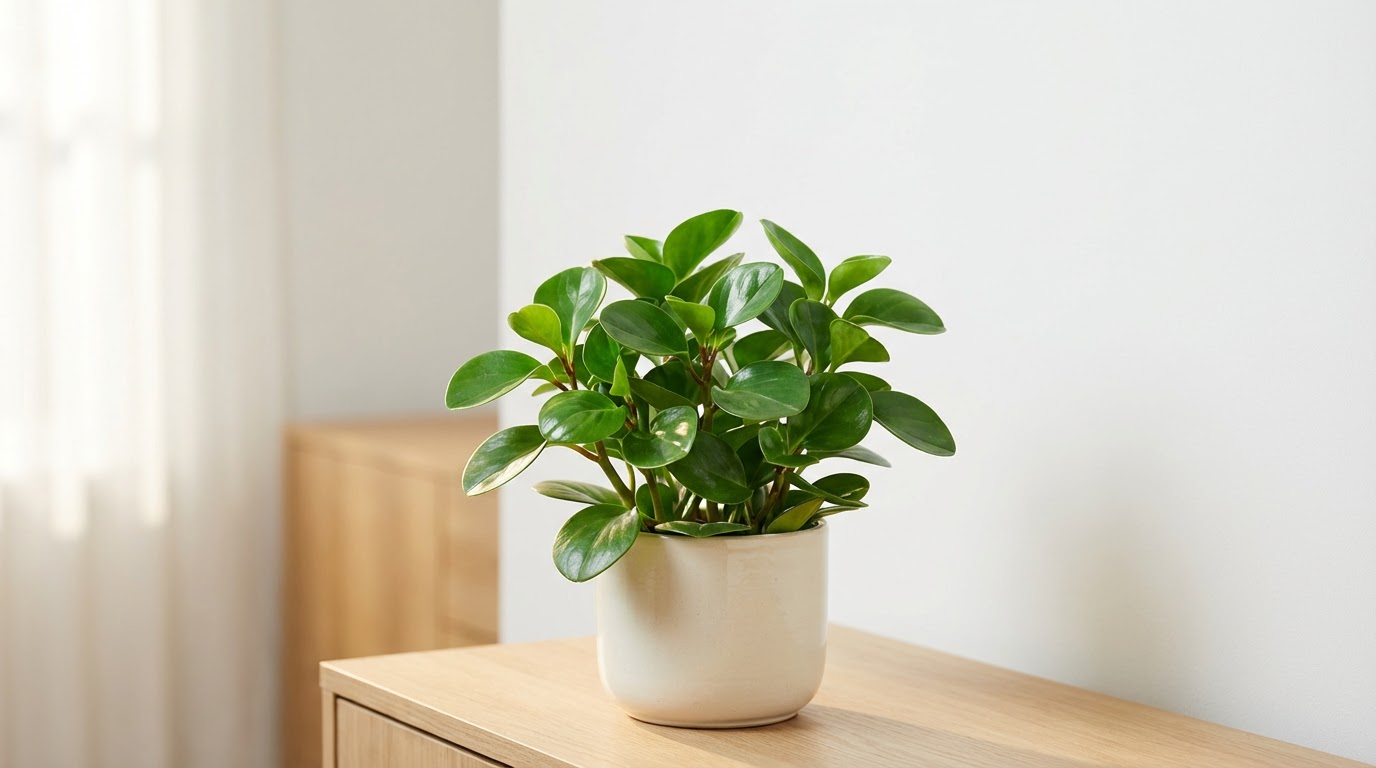
Key Takeaways
- Always check plant toxicity before bringing new plants into a home with pets or children.
- Keep toxic plants out of reach — use high shelves or hanging planters.
- Know the symptoms of plant poisoning so you can act quickly if ingestion occurs.
Quick Care Card
| Care Parameter | Exact Specs | Quick Notes |
|---|---|---|
| Light | 1,000–10,000 lux (low indirect light) | Avoid direct midday sun, works well with artificial LED light |
| Water | 150–200ml every 10–14 days | Only water when top 2 inches of soil are completely dry |
| Humidity | 30–50% RH | Tolerates standard indoor home humidity levels |
| Temperature | 60–80°F / 15–27°C | No drops below 50°F / 10°C |
| Soil | 3:1 all-purpose potting mix to perlite ratio | Improves drainage to prevent root rot and mold |
| Fertilizer | Diluted 10-10-10 once every 2 months (spring/summer only) | Skip fertilizing in fall and winter during dormancy |
| Toxicity | ASPCA confirmed non-toxic | Safe for dogs, cats, and humans of all ages |
Why This Matters
If you’ve ever caught your toddler chewing on a pothos leaf or your cat batting at philodendron stems, you know the panic of realizing your favorite houseplant could be a hazard. Common popular houseplants found in 60% of family homes contain harmful irritants that cause painful reactions when ingested, but many parents don’t want to give up green playroom decor entirely. Peperomia obtusifolia is a low-fuss, lookalike alternative that eliminates poisoning risks while requiring minimal care for busy schedules. If you’re looking for more low-fuss greenery options, check out our guide to low maintenance non-toxic houseplants that fit perfectly into busy family schedules.
The risks of keeping toxic plants in playrooms go beyond poisoning: lightweight tippable pots can cause falling injuries, overwatered plants can grow allergy-triggering mold, and plant placement near hanging cords creates strangulation hazards for curious climbers. This guide covers every safety and care parameter you need to keep your playroom green without unnecessary risks.
Understanding the Science
Common toxic houseplants like pothos, philodendron, and snake plant contain sharp, insoluble calcium oxalate crystals that embed in the mouth, throat, and gastrointestinal tract when ingested, causing pain, swelling, vomiting, and difficulty breathing in severe cases. In contrast, Peperomia obtusifolia has no known toxic or irritant compounds, per (Gilman, 2007) horticultural research, meaning even small ingestions by kids or pets will not cause adverse reactions beyond minor, temporary stomach upset if large quantities are eaten.
The ASPCA (2026) officially classifies Peperomia obtusifolia as non-toxic to all common household pets and humans. Additional research (Henny, 1985) notes that its thick, fleshy leaves store water efficiently, making it far more drought-tolerant than toxic lookalikes, which is perfect for busy parents who may forget to water plants regularly. Its short, trailing growth habit also produces fewer dangling stems that attract curious kids and pets than vining toxic plants.
Step-by-Step Guide
- Test your playroom light levels to confirm they match Peperomia obtusifolia light needs (1,000–10,000 lux, low indirect light) (NC State Extension, 2026). Hold your hand up at the planned placement spot: if you see a faint, soft shadow without sharp edges, the light is perfect. For windowless rooms, use a low-wattage LED light running 8–10 hours per day.
- Choose a safety-approved pot: Select a 2lb weighted ceramic pot with drainage holes and a wide base. This prevents tipping if a child grabs the edge or a pet runs into the stand, eliminating injury risks from broken pottery or spilled soil.
- Pot with the correct soil mix: Combine 3 parts all-purpose potting mix with 1 part perlite to create fast-draining soil that prevents root rot and mold growth (Gilman, 2007). Mold on soil can trigger childhood allergies, so proper drainage is non-negotiable for playroom plants.
- Place the plant per safety parameters: Follow Peperomia obtusifolia playroom placement rules: 3ft minimum height from the floor, 1ft minimum distance from playpen edges, and 2ft minimum distance from hanging cords, toy bins, or furniture kids can climb on. If you prefer hanging plants, our list of pet safe hanging plants includes other Peperomia varieties that work well in playrooms.
- Water correctly for playroom conditions: Pour 150–200ml of room-temperature water directly into the soil, only when the top 2 inches of soil are completely dry (stick your finger 2 inches deep to test) (NC State Extension, 2026). Dump any excess water from the saucer after 15 minutes to avoid standing water that breeds mold and mosquitoes.
- Add a pet-safe chewing deterrent: If your cat or dog likes to chew on plants, dust leaves with 1tsp of diluted citrus oil (1 part citrus oil to 10 parts water). Cats and dogs dislike the scent, and it leaves no harmful residues for kids to touch. Even though the plant is non-toxic, this prevents damage to the plant and messy leaf debris on play floors.
- Teach gentle plant interaction: Take 5 minutes to show toddlers how to touch leaves softly instead of pulling or picking them. This builds positive plant interaction habits early and reduces the risk of plant damage or messes.
Seasonal Care Calendar
- Spring (March–May): Increase water to 200ml every 10 days as growth picks up. Rotate the pot ¼ turn weekly to encourage even, full growth. Apply diluted 10-10-10 fertilizer once every 2 months starting in mid-spring (Gilman, 2007).
- Summer (June–August): Mist leaves 1x per week if humidity drops below 30% RH, which falls outside Peperomia obtusifolia humidity requirements. Move the plant 2ft away from AC vents to avoid cold drafts that damage leaves.
- Fall (September–November): Reduce water to 150ml every 12 days as growth slows. Stop fertilizing entirely to let the plant enter dormancy naturally.
- Winter (December–February): For Peperomia obtusifolia winter care, water 150ml every 14 days only when the top 2 inches of soil are fully dry. Keep the plant away from drafty window sills and maintain temperatures above 50°F /10°C (NC State Extension, 2026).
Common Mistakes to Avoid
-
Mistake: Placing Peperomia on a low coffee table or accessible floor shelf
What happens: High risk of tipping, ingestion of leaves or soil by toddlers and pets
Instead: Mount on a floating shelf at least 3ft high, or place on a tall, stable bookcase out of reach -
Mistake: Using a lightweight plastic pot with no weight
What happens: Pot can easily fall if grabbed by a child or knocked by a running pet, causing injury from broken ceramic or spilled soil
Instead: Use a 2lb weighted ceramic pot with a wide base to prevent tipping -
Mistake: Overwatering on a fixed schedule without checking soil moisture
What happens: Soggy soil leads to root rot, and mold growth on top of soil that can trigger childhood allergies or asthma symptoms
Instead: Stick your finger 2 inches into the soil, only water if that layer is completely dry -
Mistake: Placing the plant within reach of corded window blinds or curtain ties
What happens: Kids may climb on nearby furniture to reach the plant, leading to strangulation risk from hanging cords
Instead: Move the plant at least 2ft away from all hanging cords or install cordless window treatments in playrooms -
Mistake: Swapping toxic pothos for a plant that needs much more light than your playroom gets
What happens: The new plant dies quickly, wasting money and leading you to go back to toxic high-light options
Instead: Use our non-toxic plant substitution cheat sheet for safe plant swaps for family homes: swap pothos → Peperomia obtusifolia (same low light needs), swap snake plant → Peperomia argyreia (same low to medium light), swap heartleaf philodendron → Peperomia caperata (same medium indirect light needs)
Troubleshooting Guide
Frequently Asked Questions
Can I put my Peperomia obtusifolia near my toddler’s playpen?
You can place it near the playpen as long as it’s at least 1ft away from the playpen edges and 3ft off the floor, so your toddler can’t reach up to grab leaves or knock the pot over. Even though Peperomia is non-toxic, it’s still best to avoid ingestion of soil or plant parts which can cause minor stomach upset in very young kids.
Is Peperomia obtusifolia safe if my cat chews its leaves?
Yes! The ASPCA confirms Peperomia obtusifolia is non-toxic to dogs, cats, and humans of all ages (ASPCA, 2026). Chewing a small amount of leaves will not cause any poisoning symptoms, though your cat may have minor temporary gastrointestinal upset if they eat a very large quantity, as with any non-food plant matter.
How often do I water Peperomia obtusifolia in a low-light playroom?
For Peperomia obtusifolia low light care in playrooms with no direct sun, water 150–200ml every 12–14 days, only after confirming the top 2 inches of soil are fully dry. Low light means the plant uses less water, so overwatering is the most common issue in these spaces.
What are the best non toxic alternatives to pothos for playrooms?
Peperomia obtusifolia is the perfect swap for pothos, as it has similar trailing growth, glossy green leaves, and thrives in the same low indirect light conditions that pothos prefers (NC State Extension, 2026). It’s also far lower maintenance, so it’s one of the best non toxic houseplants for beginners who don’t have time for frequent plant care.
Can I use regular potting soil for Peperomia obtusifolia?
You can use regular all-purpose potting soil if you mix it with perlite at a 3:1 ratio (3 parts potting mix to 1 part perlite) to improve drainage. Pure regular potting soil holds too much moisture, which can lead to root rot and mold growth in playroom environments with lower air circulation.
What’s the best Peperomia placement for a playroom with no windows?
For a windowless playroom, place your Peperomia obtusifolia within 2ft of a bright overhead LED light that runs for 8–10 hours per day. This will provide the 1,000–2,000 lux of light it needs to stay healthy, as long as you follow the 3ft minimum height rule to keep it out of reach of kids and pets. For more ideas for windowless spaces, see our roundup of playroom air purifying plants that thrive with artificial light.
Key Takeaways
- Peperomia obtusifolia is 100% non-toxic for kids and pets per ASPCA (2026) guidelines, making it one of the best safe plants for toddler rooms
- Place Peperomia at least 3ft off the floor in playrooms, 1ft away from playpens, and 2ft away from hanging cords or climbable toy bins
- Use a 2lb weighted ceramic pot with drainage holes to avoid tipping and falling injury risks
- Water 150–200ml every 10–14 days for low-light playrooms, only when the top 2 inches of soil are fully dry
- Swap toxic pothos, snake plants, and heartleaf philodendron for matching-light Peperomia varieties to eliminate accidental poisoning risks
- Maintain 30–50% relative humidity and 60–80°F (15–27°C) temperatures for healthy, lush Peperomia growth
- For windowless playrooms, place Peperomia within 2ft of an 8–10 hour daily LED light source to meet its low light needs
- Diluted citrus oil leaf dusting safely deters pet chewing without leaving harmful residues for kids to touch
References
- ASPCA. (2026). Toxic and Non-Toxic Plants List — ASPCA. https://www.aspca.org/pet-care/animal-poison-control/toxic-and-non-toxic-plants. Accessed 2026-02-19.
- NC State Extension. (2026). Peperomia Obtusifolia Care — NC State Extension Gardener Plant Toolbox. https://plants.ces.ncsu.edu/plants/peperomia-obtusifolia/. Accessed 2026-02-19.
- Gilman, E. (2007). Peperomia obtusifolia Peperomia, Baby Rubber Plant. EDIS. https://doi.org/10.32473/edis-fp466-1999. Accessed 2026-02-19.
- Henny, R. (1985). BA Induces Lateral Branching of Peperomia obtusifolia. HortScience. https://doi.org/10.21273/hortsci.20.1.115. Accessed 2026-02-19.
Optional Helper: Plantfun.App
Plantfun.App identifies your plants by photo, diagnoses pests and diseases with clear fixes, and creates personalised watering and light schedules that adapt to your home conditions — a handy companion for putting this guide into daily practice.
Found an error or have suggestions? We'd love your feedback.
Need help identifying this problem?
Get instant identification, personalized care schedules, and effective pest treatment plans directly on your phone.
Sponsored • We may earn a commission from app downloads
Related Guides
Peperomia Obtusifolia Care for Pet & Toddler Accessible Low-Light Coffee Tables
Skip toxic coffee table houseplants like Ficus elastica or ZZ plants that harm curious pets and toddlers. Get exact, science-backed care parameters for non-toxic Peperomia obtusifolia that thrives in low-light living rooms with zero safety risks, no harmful sprays or barriers required.
Safety GuidePeperomia Obtusifolia in Playroom Corners: Safe Care & Placement Guide for Pet & Kid Owners
Keep your playroom green and safe for toddlers and pets with this complete guide to non-toxic peperomia obtusifolia. Get exact light, water, and placement specs to avoid nibble risks, eliminate choking hazards, and keep your plant thriving all year long.
Safety GuideNon-Toxic Peperomia Obtusifolia Care & Placement Guide for Pet & Toddler Safe Living Room Coffee Tables
Keep curious pets and toddlers safe while enjoying lush indoor greenery on your living room coffee table. Get exact, science-backed Peperomia obtusifolia care specs, safe placement tips, risk mitigation hacks, and non-toxic substitution ideas for high-access household spots.
Care GuideThe Complete Peperomia Obtusifolia Care Checklist for Resilient Growth in Small Urban Apartments
Grab a free actionable Peperomia obtusifolia care checklist tailored for small urban apartments, with exact light, water, and humidity thresholds to keep your plant lush and pest-free all year.