
Key Takeaways
- Check soil moisture before watering — overwatering is the #1 killer of houseplants.
- Ensure your plant gets the right amount of light for its species.
- Be patient with recovery — most plants need 2–4 weeks to bounce back.
Quick Care Card
| Care Factor | Exact Threshold | Notes |
|---|---|---|
| Light | 500-2,000 lux | 6500K cool white LED/fluorescent light acceptable, 10-12 hours daily (NC State Extension, 2026) |
| Water | 100-150 ml every 21-30 days | Only water when top 3 inches of soil are completely dry |
| Humidity | 30-50% RH | No misting required, adapted to dry conditions |
| Temperature | 60-85°F / 16-29°C | Avoid prolonged exposure below 50°F / 10°C (USDA NRCS, 2026) |
| Soil | 80% cactus mix + 20% perlite | No moisture-retaining additives, fast-draining only |
| Fertilizer | ½ strength balanced 10-10-10 liquid fertilizer | Apply once yearly only in early spring |
| Toxicity | Mildly toxic | Toxic to cats and dogs if ingested (ASPCA, 2026) |

Why This Matters
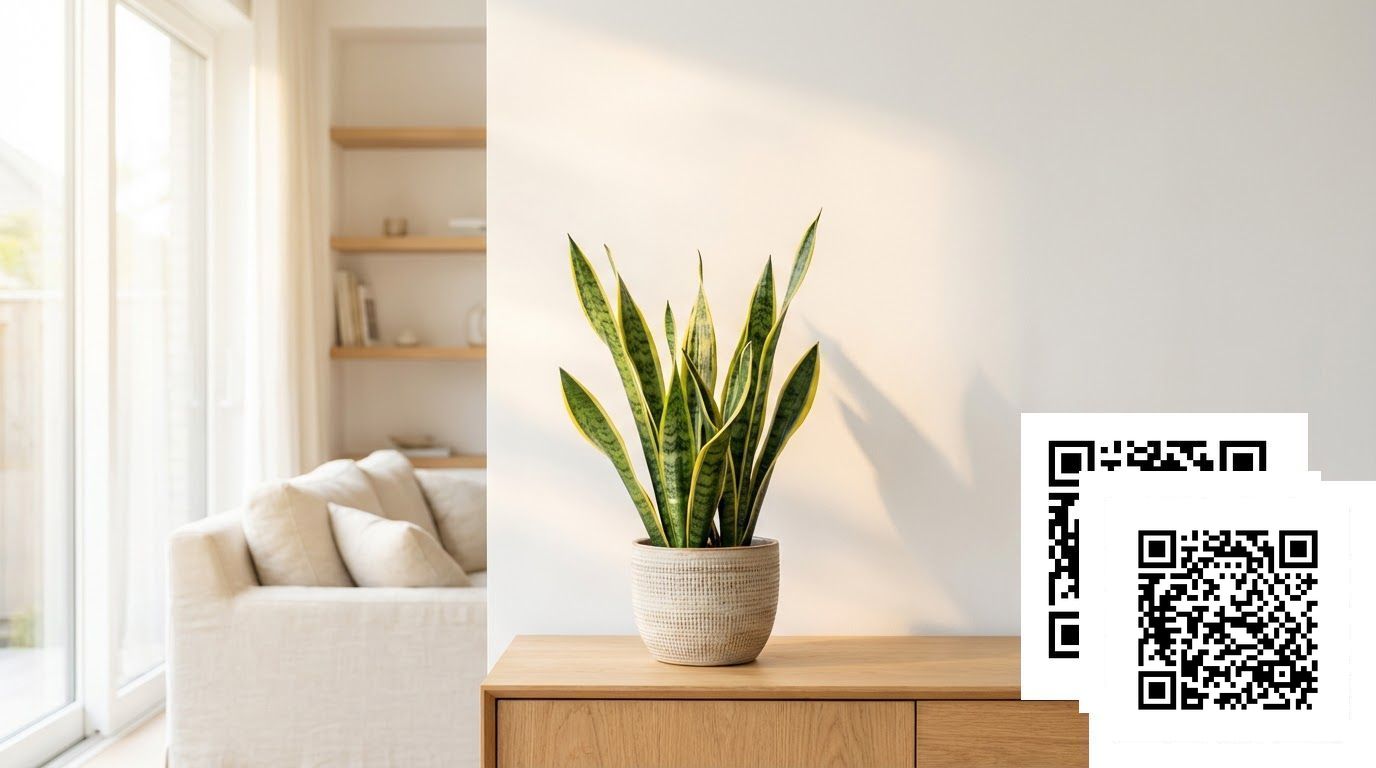
If you’re one of the millions of urban renters with dark, high-traffic studio entryways that get zero natural sunlight, you’ve probably been told snake plants are the only foolproof houseplant option—only to watch yours develop mushy yellow leaves, stunted growth, or brown edges a few months after bringing it home. Generic sansevieria care advice is designed for plants in bright indirect light, not the dim, drafty, low-light conditions common in small urban apartment entryways. This guide uses a symptom-first framing to help you instantly diagnose issues without guesswork, with exact measurable thresholds tailored to artificial light setups so you don’t waste time testing generic tips that don’t work for your space.
One common myth we’ll debunk: snake plants don’t “thrive on neglect” in low light. They simply have very specific, minimal care requirements that most generic guides overcomplicate, leading to overwatering and light starvation that kills more entryway snake plants than any other issue.
Understanding the Science
Sansevieria use Crassulacean Acid Metabolism (CAM) photosynthesis, a physiological adaptation to arid environments that means they open their leaf stomata only at night to reduce water loss. A 2016 study of Sansevieria zeylanica physiology (International Journal of Science and Research, 2016) found that their thick, fibrous leaves store up to 90% of their water volume, allowing them to survive for months without water in low-light conditions. This is why overwatering is 10x more common than underwatering in low-light entryway setups: their metabolic rate drops dramatically in dim conditions, so they only use a fraction of the water they would in bright indirect light.
Generic advice to water snake plants every 2 weeks fails completely for low-light setups, because the slow-drying soil in cool, dim entryways can stay damp for 4+ weeks after watering, leading to root rot before you even notice symptoms. Their CAM cycle also means they don’t need high-intensity grow lights to survive: 500 lux of 6500K cool white light is enough to support their minimal metabolic needs long-term.
Step-by-Step Guide
Follow these 8 rules for consistent lush growth in your low-light entryway snake plant:
- Test your light levels first Use a cheap $10 lux meter to confirm your entryway gets 500-2000 lux of light (NC State Extension, 2026). If you’re below that threshold, install a 10W 6500K cool white LED bulb 1-2 feet above where you’ll place the plant, set to run 10-12 hours daily on an automatic timer. Why this works: 6500K light mimics natural daylight, which is optimized for the small amount of photosynthesis sansevieria needs in low light. Pro tip: You don’t need a specialty grow light—standard LED shop lights work perfectly for this.
- Choose the right pot Use a 6-inch terracotta pot with drainage holes, only 1 inch larger than the plant’s existing root ball (USDA NRCS, 2026). Why this works: Terracotta wicks away excess moisture, which prevents root rot in low-light conditions where soil dries very slowly.
- Use the correct soil mix Combine 80% commercial cactus mix with 20% perlite, no extra compost or moisture-retaining additives. Why this works: The fast-draining mix ensures water doesn’t sit around the roots for weeks on end, even in cool dim conditions.
- Acclimate new plants properly Wait 30 full days after bringing your snake plant home before watering it for the first time, giving it 100ml of filtered room-temperature water only if the top 3 inches of soil are completely dry. Why this works: Sansevieria go into shock when moved, so holding water during acclimation reduces stress and root rot risk.
- Position correctly for traffic and drafts Place the plant 2 feet away from your entry door, out of the direct path of foot traffic and cold drafts. Why this works: Cold drafts below 50°F damage leaf tissue, and frequent knocks can break delicate new growth shoots.
- Dust leaves monthly Wipe leaves with a damp microfiber cloth once per month to remove dust tracked in from entryway foot traffic. Why this works: Dust blocks the small amount of light the plant receives, reducing photosynthesis efficiency by up to 30% in dim conditions.
- Fertilize once yearly only In early spring, apply ½ strength balanced liquid fertilizer (10-10-10 NPK) once, no more frequent applications. Why this works: Low-light snake plants have very low nutrient needs, so over-fertilizing burns roots and causes brown leaf tips (NC State Extension, 2026).
- Check root health annually Once per year in spring, gently lift the plant out of its pot to check for root bound growth (roots circling the inside of the pot). Why this works: Root bound plants can’t absorb water properly, even if you’re following the correct watering schedule.
Seasonal Care Calendar
Adjust your care routine for seasonal temperature and light changes:
- Spring: Apply your single yearly ½ strength fertilizer application, check for pale green new leaf shoots at the base of the plant, test light levels to ensure your bulb is still outputting 500+ lux (LED bulbs dim over 2-3 years of use).
- Summer: If your entryway temperature stays consistently above 75°F, increase watering to 150ml every 21 days, only if the top 3 inches of soil are fully dry. This is the only time of year you’ll adjust your watering schedule up, as warmer temps increase the plant’s metabolic rate slightly (USDA NRCS, 2026).
- Fall: Reduce watering back to 100ml every 28 days, check the area around your door for cold drafts from dropping outdoor temperatures, move the plant further away from the door if you feel cold air seeping in.
- Winter: Hold all fertilizer applications, water only 100ml every 30 days if the top 3 inches of soil are fully dry. If your entryway regularly drops below 60°F, wrap the outside of the terracotta pot in a thick cloth to insulate the roots (NC State Extension, 2026).
Common Mistakes to Avoid
Mistake: Watering on a fixed schedule instead of checking soil moisture first What happens: The slow-drying soil in low-light conditions stays damp for weeks, leading to root rot, mushy yellow lower leaves, and eventual plant death Instead: Insert a wooden chopstick 3 inches deep into the soil every 3 weeks, only water if it comes out completely dry with no damp soil clumps attached
Mistake: Using a warm yellow 2700K light bulb that outputs less than 500 lux What happens: The light doesn’t have the correct spectrum or intensity to support even minimal photosynthesis, leading to stunted growth, leaning stems, and pale leaves Instead: Swap for a 6500K cool white LED bulb rated for 1000+ lux at 2 feet, set to run 10-12 hours daily on an automatic timer
Mistake: Placing the plant directly in the path of cold entryway drafts in winter What happens: Cold air below 50°F damages leaf cell walls, leading to crispy brown leaf edges and spots that don’t heal Instead: Move the plant 2 feet away from the door, or install a small draft stopper at the base of the door to block cold air seepage
Mistake: Repotting too often in oversized pots What happens: The extra empty soil in the pot holds excess moisture for months, leading to trapped water around the roots and root rot even if you water correctly Instead: Only repot every 3-5 years, using a pot that is only 1 inch larger than the existing root ball
Mistake: Misting leaves to increase humidity What happens: Sansevieria are adapted to dry arid conditions, so excess moisture on leaves can lead to fungal spots and rot, especially in low-light conditions where water takes longer to evaporate Instead: Keep humidity between 30-50% RH, no misting required (NC State Extension, 2026)
Troubleshooting Guide

Frequently Asked Questions
Why is my entryway snake plant turning yellow?
The most common cause of yellowing snake plant leaves in low-light entryways is overwatering (NC State Extension, 2026). Because sansevieria use CAM photosynthesis, their metabolic rate is extremely low in dim conditions, so they only need a fraction of the water they would in bright light. If your leaves are mushy and falling off easily, root rot is likely, and you should repot in dry soil immediately.
Can I keep a snake plant in a room with no windows?
Yes, snake plants can survive and even grow in windowless rooms, as long as you provide 500-2000 lux of artificial light from a 6500K cool white LED bulb running 10-12 hours daily (USDA NRCS, 2026). This is why they are one of the most popular plants for dark apartment entryways and office spaces with no natural light.
How often should I water my low-light snake plant?
On average, you’ll water your low-light snake plant 100-150ml every 21-30 days, but you should only water when the top 3 inches of soil are completely dry. The exact frequency will vary by season: you’ll water slightly more often in warm summer months, and less often in cold winter months.
Do snake plants need artificial light in dark apartments?
Yes, all plants need some light to perform photosynthesis, even low-light tolerant varieties like sansevieria. If your entryway gets zero natural sunlight, you will need to provide artificial light to keep your snake plant alive long-term. A standard 10W 6500K LED bulb is sufficient for most small entryways.
How do I get my low-light snake plant to grow new leaves?
First, confirm your light levels are between 500-2000 lux with a lux meter, as insufficient light is the most common cause of stunted growth in low-light setups. Next, make sure you are not overwatering, and apply ½ strength balanced fertilizer once per year in early spring to support new growth.
Is my entryway too cold for a snake plant?
Snake plants can tolerate temperatures as low as 50°F, but prolonged exposure to temperatures below that will damage leaf tissue (NC State Extension, 2026). If your entryway regularly drops below 50°F in winter, move your snake plant further away from the door, or insulate the pot with a thick cloth to protect the roots.
Printable Low-Light Snake Plant Care Checklist
- Weekly (10 seconds): Do a quick visual check for leaf damage, new growth, or obvious drafts near the door
- Monthly (1 minute): Test soil moisture with a chopstick, wipe leaves with a damp cloth to remove entryway dust
- Quarterly (2 minutes): Test light levels with a lux meter to confirm your bulb is still outputting 500+ lux, check for roots growing out of the drainage holes
- Yearly (2 minutes): Apply ½ strength balanced liquid fertilizer in early spring, inspect root health if you haven’t repotted in 3+ years
Key Takeaways
- Maintain 500-2,000 lux of light from 6500K LEDs running 10-12 hours daily to support minimal photosynthesis without overheating the plant
- Water 100-150 ml only when the top 3 inches of soil are fully dry, adjusting frequency slightly for seasonal temperature changes
- Keep humidity between 30-50% with no extra misting required, as sansevieria are adapted to dry arid conditions
- Avoid cold drafts below 50°F near entry doors, as these damage leaf tissue and cause brown leaf edges
- Only fertilize once per year in spring at half strength to avoid over-fertilizing burn and nutrient buildup in slow-drying soil
- Repot only every 3-5 years in a pot only 1 inch larger than the root ball to avoid excess trapped moisture and root rot
References
- International Journal of Science and Research (IJSR). (2016). Development and Evaluation of Paper from Corn Husks (Zea mays L.) and Snake Plant Fibers (Sansevieria zeylanica). https://doi.org/10.21275/v5i8.3081601. Accessed 2026-02-19.
- International Journal of Science and Research (IJSR). (2016). Development and Evaluation of Paper from Corn Husks (Zea mays L.) and Snake Plant Fibers (Sansevieria zeylanica). https://doi.org/10.21275/3081601. Accessed 2026-02-19.
- American Society for the Prevention of Cruelty to Animals. (2026). Toxic and Non-Toxic Plants List — ASPCA. https://www.aspca.org/pet-care/animal-poison-control/toxic-and-non-toxic-plants. Accessed 2026-02-19.
- North Carolina State University Extension. (2026). Sansevieria Snake Plant Care — NC State Extension Gardener Plant Toolbox. https://plants.ces.ncsu.edu/plants/sansevieria-care/. Accessed 2026-02-19.
Optional Helper: Plantfun.App
Plantfun.App identifies your plants by photo, diagnoses pests and diseases with clear fixes, and creates personalised watering and light schedules that adapt to your home conditions — a handy companion for putting this guide into daily practice.
Found an error or have suggestions? We'd love your feedback.
Need help identifying this problem?
Get instant identification, personalized care schedules, and effective pest treatment plans directly on your phone.
Sponsored • We may earn a commission from app downloads
Related Guides
Sansevieria Laurentii in Low-Light Apartments: The 8-Step Care Checklist for Lush, Resilient Growth
Stop guessing at snake plant care for your dark apartment. Get exact light, water, and humidity thresholds plus an 8-step checklist that keeps your Sansevieria Laurentii lush and problem-free all year, even in north-facing studios with limited sun exposure.
Care GuideSansevieria (Snake Plant) in North-Facing Studios: The Only Low-Light Care Checklist You Need
Grow a lush snake plant even in a dim north-facing studio with no supplemental grow lights. Get exact light, water, and humidity thresholds, a seasonal care calendar, and 7 fixes for common low-light Sansevieria issues tailored for small apartment dwellers.
Care GuideSansevieria (Snake Plant) in Low-Light Studio Entryways: Your Complete Resilient Growth Checklist
Keep your low-light snake plant thriving without moving it. Get exact light thresholds, 7-step symptom fixes, and a seasonal care checklist for your dim studio entryway.
Pest ControlAnts on Plants: What They Mean and What to Do
Ants usually aren't eating your plant. They are farming other pests.