
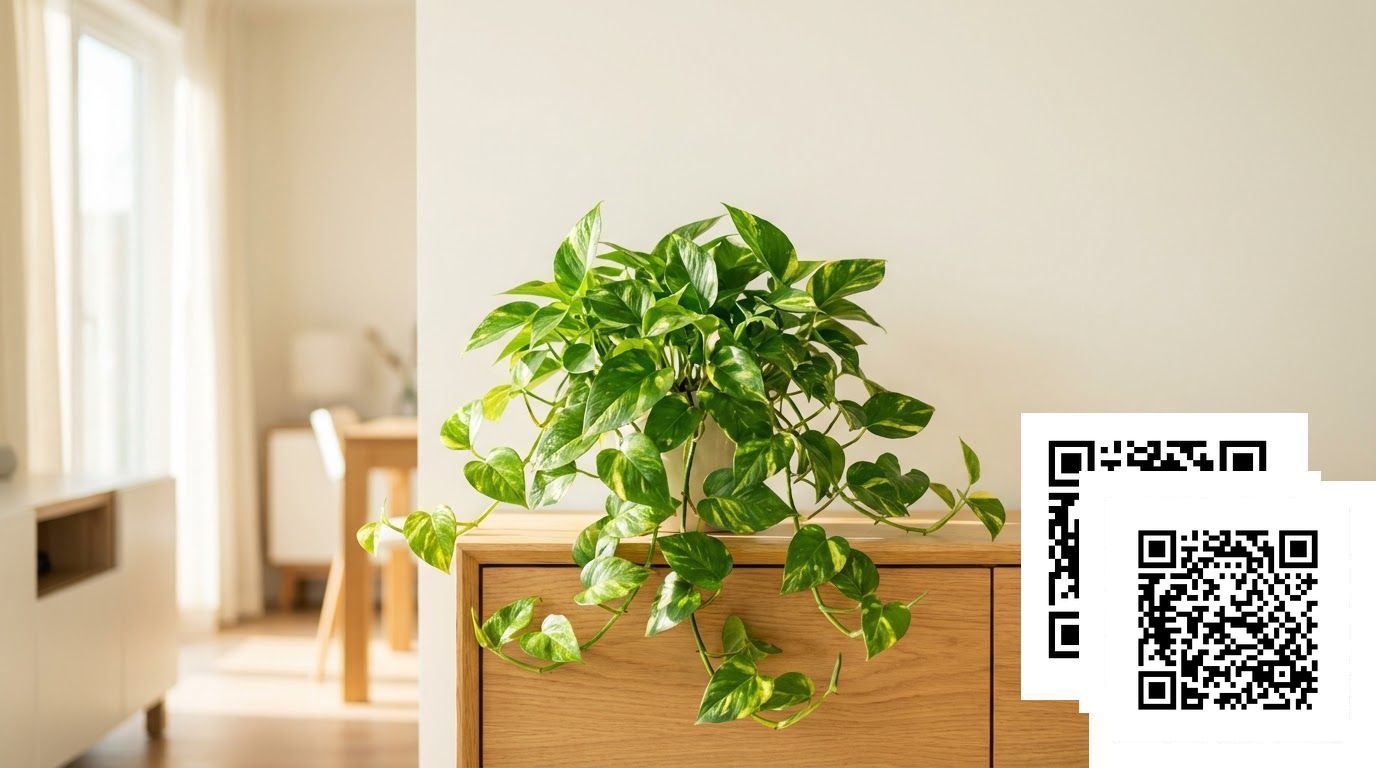
Key Takeaways
- Check soil moisture before watering — overwatering is the #1 killer of houseplants.
- Ensure your plant gets the right amount of light for its species.
- Be patient with recovery — most plants need 2–4 weeks to bounce back.
Quick Care Card
| Parameter | Exact Specs | Notes |
|---|---|---|
| Light | 2,000–10,000 lux | No direct sun; place 2–4 feet from a north/east-facing window (ASPCA, 2026) |
| Water | 150–200 ml every 10–14 days | Only water when top 3 inches of soil are completely dry |
| Humidity | 30–50% | No extra humidifier needed, works with standard studio apartment humidity |
| Temperature | 60–85°F / 16–29°C | Avoid temperatures below 50°F / 10°C; keep away from heating/AC vents |
| Soil | 1 part general potting soil + 1 part repurposed coffee grounds + 1 part perlite | $2 per 1-gallon batch; no need for specialty aroid mix |
| Fertilizer | Diluted leftover rice water, 1x every 2 months in growing season | Zero cost; skip fully concentrated rice water to avoid leaf burn |
| Toxicity | Mildly toxic to cats and dogs | Ingestion causes oral irritation and vomiting (ASPCA, 2026) |
Why This Matters
You just moved into your first tiny urban studio, the only window faces north, and you picked up a $5 pothos from the grocery store because everyone says it’s “unkillable.” Three months later, it’s leggy, has yellow lower leaves, and you’re staring at a $20 specialty aroid soil bag and $15 liquid plant fertilizer wondering if you’re about to drop more on care than the plant itself. Most urban renters report living in low-light apartments, and pothos is the most popular first houseplant for beginners on a budget, but generic care advice often pushes overpriced products that don’t address the unique constraints of small, low-light spaces. If you ignore the specific needs of low-light pothos, you’ll either waste money on unnecessary supplies or kill your plant within a year, forcing you to restart the cycle. If you’re shopping for other low-light tolerant plants for your studio, check out our guide to the best low-light houseplants for small apartments at https://letbug.com/best-low-light-houseplants-for-small-apartments.
Understanding the Science
Pothos (Epipremnum aureum) is an understory vine native to Southeast Asia, evolved to grow in dappled, low light under forest canopies (Boyce & Dzu, 1995). In low-light studio conditions, its photosynthetic rate drops significantly, meaning it uses far less water and nutrients than pothos grown in bright indirect light. Overwatering is the leading cause of death for low-light pothos because the slow evaporation rate of soil in dim spaces keeps roots saturated for weeks, leading to oxygen deprivation and root rot. A 2020 study found that pothos adapts to low-light conditions by producing larger chloroplasts to capture more light, but this adaptation only works if light levels stay above 2,000 lux; below that threshold, growth becomes leggy as the plant stretches to reach more light (EL Sayed, 2020). This is why generic advice to water weekly or use high-nitrogen fertilizer backfires for low-light studio pothos: the plant simply can’t process extra water or nutrients when photosynthesis is slowed.
Step-by-Step Guide
- Test your light levels first: Use a free phone lux meter app to measure light at your desired pothos spot. Aim for 2,000–5,000 lux, which is typically found 3 feet from a north-facing window. Why it works: Light below 2,000 lux leads to leggy growth, while light above 10,000 lux can scorch leaves in low-light adapted plants (Boyce & Dzu, 1995). Expected outcome: Stable, full growth within 3 months. Pro tip: If your only spot is 6 feet from a window, add a $10 clip-on LED grow light (used 4 hours a day) to hit the required lux level, which still keeps your annual care budget under $10.
- Make your $2 DIY soil mix: Combine 1 part general dollar-store potting soil, 1 part repurposed coffee grounds (saved from your morning brew, dried for 2 days to prevent mold), and 1 part perlite (bought in a $5 bag that lasts 2+ years). Why it works: Coffee grounds add organic matter and mild nitrogen, while perlite prevents compaction that causes root rot in low-light soil that dries slowly. Expected outcome: No root rot from compacted soil for 2–3 years between repottings. If you notice signs of root rot before repotting, follow our step-by-step pothos root rot fix on budget guide at https://letbug.com/how-to-fix-pothos-root-rot-on-budget to save your plant without expensive treatments.
- Repot only if root bound: Check if roots are growing out of the drainage holes or circling the inside of the pot. If so, repot into a pot 1 inch larger than the current one, with your DIY soil mix. Why it works: Too large of a pot holds excess soil that stays wet for weeks, increasing root rot risk. Expected outcome: Root system establishes in the new pot within 1 month. Pro tip: Repurpose old food storage containers with drainage holes drilled in the bottom instead of buying new planters to save extra cash.
- Stick to the exact watering schedule: Use a measuring cup to pour 175 ml of room-temperature tap water directly onto the soil, not the leaves, only when the top 3 inches of soil are completely dry (stick your finger all the way in to test). Why it works: Low-light pothos uses 50% less water than pothos in bright light, so measured watering eliminates guesswork and prevents overwatering (EL Sayed, 2020). Expected outcome: No yellow lower leaves from overwatering. Pro tip: If you travel often, add 1 inch of pebbles to the bottom of your pot saucer to hold excess water that the plant can absorb slowly without root rot.
- Feed with zero-cost rice water fertilizer: Save leftover unseasoned rice water from cooking, dilute it 1:1 with tap water, and pour 150 ml of the mixture onto the soil once every 2 months during spring and summer. Why it works: Rice water contains trace amounts of nitrogen, potassium, and phosphorus that are perfect for slow-growing low-light pothos, without the risk of leaf burn from full-strength commercial fertilizer. Expected outcome: Slightly faster vining growth and larger new leaves within 2 months.
- Place your pothos away from airflow hazards: Keep it at least 3 feet away from space heaters, AC vents, and drafty window sills. Why it works: Sudden temperature fluctuations cause leaf drop and crispy brown tips, especially in low-light conditions where the plant is already under mild stress (ASPCA, 2026). Expected outcome: No brown leaf tips from dry air.
- Trim leggy growth to encourage fullness: Use clean scissors to cut off overly long, leafless vine sections 1 inch above a leaf node. Why it works: Trimming redirects the plant’s energy to producing new, full leaves instead of stretching for light. Expected outcome: Fuller, bushier growth within 2 months. You can root the cut trimmings in water for free to make more pothos plants, following our pothos propagation for beginners guide at https://letbug.com/pothos-propagation-for-beginners.
Seasonal Care Calendar
- Spring: Increase water volume to 200 ml every 10 days as daylight hours increase. Start your rice water fertilizer feeds in late March, once new leaf growth appears.
- Summer: Keep pothos out of direct sun bursts that come through open west-facing windows, which can scorch low-light adapted leaves. Mist with tap water once weekly if humidity drops below 30% (use a free phone humidity app to test) for optimal pothos summer watering results.
- Fall: Reduce water volume to 150 ml every 12 days as daylight hours shorten. Stop all fertilizer feeds by mid-October to let the plant enter dormancy.
- Winter: Water only every 14 days, and only if the top 3 inches of soil are completely dry. Keep pothos at least 3 feet away from space heater vents to prevent dry leaf tips, the most critical step for proper pothos winter care.
Common Mistakes to Avoid
Mistake: Using unamended cheap dollar store potting soil What happens: The soil compacts easily within 6 months, cutting off oxygen to roots and trapping excess moisture, leading to root rot. Instead: Mix in 1 part dried repurposed coffee grounds and 1 part perlite to improve drainage and nutrient content for just $2 per batch.
Mistake: Overwatering to “make up for low light” What happens: Saturated soil causes root rot, leading to yellow lower leaves and eventual plant death. Instead: Stick to the 150–200 ml measured watering schedule only when the top 3 inches of soil are completely dry.
Mistake: Placing pothos more than 6 feet from any window What happens: Light levels drop below 1,000 lux, leading to leggy growth with tiny new leaves and no vining. Instead: Move the plant to within 4 feet of a north or east-facing window to hit the 2,000+ lux requirement.
Mistake: Using full-strength commercial fertilizer when you can’t afford specialty plant food What happens: Excess nitrogen burns leaf tips and causes salt buildup in the soil, damaging the root system. Instead: Use diluted leftover rice water as a zero-cost, gentle nutrient source perfect for slow-growing low-light pothos.
Mistake: Repotting every year to “help growth” What happens: Extra soil holds excess moisture, and root disturbance stresses the low-light plant, leading to stunted growth. Instead: Repot only every 2–3 years, or when roots are visibly growing out of the drainage holes, to save money and reduce stress on the plant.
Troubleshooting Guide
Frequently Asked Questions
Can I keep a pothos in a studio with no windows?
No, pothos needs at least 2,000 lux of light to survive, which is impossible to get in a windowless space without artificial light. You can use a $10 clip-on LED grow light run 6 hours a day to meet its light requirements, which still keeps your annual care budget under $10.
Why is my pothos not growing in my apartment?
The most common cause is insufficient light: if your pothos is more than 4 feet from a window, light levels are likely below 2,000 lux, slowing photosynthesis and growth (Boyce & Dzu, 1995). Other causes include overwatering, compacted soil, or lack of nutrients during the growing season.
How do I take care of a pothos on a tight budget?
You can care for a pothos for less than $10 a year by making your own $2 DIY soil mix with repurposed coffee grounds, using leftover rice water as zero-cost fertilizer, and avoiding expensive specialty plant products. Stick to the measured watering schedule to avoid killing your plant and wasting money on replacements.
How often should I water my pothos in low light?
You should water your low-light pothos 150–200 ml every 10–14 days, only when the top 3 inches of soil are completely dry. This is 50% less frequent than watering pothos in bright indirect light, because low light slows evaporation and water use by the plant (EL Sayed, 2020).
Can I use coffee grounds for pothos soil?
Yes, dried coffee grounds are a great free amendment for pothos soil: they add mild nitrogen and organic matter, and improve drainage when mixed with potting soil and perlite (ASPCA, 2026). Make sure to dry the grounds for 2 days before mixing into soil to prevent mold growth.
Is pothos toxic to cats?
Yes, pothos is mildly toxic to cats and dogs if ingested, as it contains insoluble calcium oxalate crystals that cause oral irritation, drooling, and vomiting (ASPCA, 2026). Keep pothos on high shelves or hanging planters out of reach of pets to avoid ingestion.
Key Takeaways
- Pothos needs 2,000–10,000 lux of light, so keep it within 4 feet of a north or east-facing window to avoid leggy growth.
- Water 150–200 ml every 10–14 days only when the top 3 inches of soil are completely dry to prevent overwatering and root rot.
- Make DIY soil for $2 per batch using 1 part potting soil, 1 part dried repurposed coffee grounds, and 1 part perlite, no specialty aroid mix required.
- Use diluted leftover rice water as a zero-cost fertilizer once every 2 months during spring and summer to support healthy growth.
- Avoid placing pothos near space heaters, AC vents, or drafty windows to prevent brown crispy leaf tips and leaf drop.
- Repot only every 2–3 years, or when roots are growing out of the drainage holes, to save money and reduce stress on your low-light pothos.
References
- EL Sayed, N. (2020). Spray Golden Pothos and Croton Plants with Glutathione and Bilirubin to Purify the Indoor Air from Pollutants. Journal of Plant Production. https://doi.org/10.21608/jpp.2020.102766. Accessed 2026-02-19.
- Boyce, P.; Dzu, N. (1995). Pothos grandis (Araceae: Pothoideae) Described and Validated and Architectural Notes on Pothos Subgenus Pothos. Kew Bulletin. https://doi.org/10.2307/4110236. Accessed 2026-02-19.
- ASPCA. (2026). Toxic and Non-Toxic Plants List — ASPCA. American Society for the Prevention of Cruelty to Animals. https://www.aspca.org/pet-care/animal-poison-control/toxic-and-non-toxic-plants. Accessed 2026-02-19.
Optional Helper: Plantfun.App
Plantfun.App identifies your plants by photo, diagnoses pests and diseases with clear fixes, and creates personalised watering and light schedules that adapt to your home conditions — a handy companion for putting this guide into daily practice.
Found an error or have suggestions? We'd love your feedback.
Need help identifying this problem?
Get instant identification, personalized care schedules, and effective pest treatment plans directly on your phone.
Sponsored • We may earn a commission from app downloads
Related Guides
Golden Pothos in Low-Light Apartments: A Budget-Friendly Guide to Resilient Indoor Growth
Transform your dim apartment into an indoor jungle. Follow our budget-friendly Golden Pothos care guide for 3 secret growth hacks and a simple watering schedule.
Care GuideGolden Pothos in Low-Light Apartments: A Resilient Growth Guide for Beginners
Transform your dim apartment into a lush jungle with our Golden Pothos guide. Learn exact light, water, and soil ratios for resilient, fast-growing vines today.
Care GuideThe Complete Golden Pothos Care Checklist for Typical Urban Apartments: Lush Resilient Growth Without Guesswork
Stop struggling to keep your pothos thriving in your apartment. Get 7 actionable checklist steps, exact light/water thresholds, and mistake fixes for lush, trailing growth year-round.
Pest ControlAnts on Plants: What They Mean and What to Do
Ants usually aren't eating your plant. They are farming other pests.