
Key Takeaways
- Check soil moisture before watering — overwatering is the #1 killer of houseplants.
- Ensure your plant gets the right amount of light for its species.
- Be patient with recovery — most plants need 2–4 weeks to bounce back.
Quick Care Card
| Care Factor | Exact Value | Dorm-Specific Notes |
|---|---|---|
| Light | 5,000-10,000 lux | Artificial fluorescent or 6500K LED light is fully acceptable, no natural light required |
| Water | 150-200ml every 10-14 days | Only water when top 1.5 inches of soil is completely dry |
| Humidity | 30-40% | No extra misting needed for standard dorm environments |
| Temperature | 60-80°F / 15-27°C | Avoid placement near drafty AC vents, space heaters, or window sills |
| Soil | 3 parts potting mix + 1 part perlite, pH 6.0-7.0 | Optimized for small 4-6 inch dorm pots with limited drainage |
| Fertilizer | 1/4 strength balanced liquid fertilizer, once every 2 months in growing season | Skip fertilizing entirely in fall and winter |
| Toxicity | Mildly toxic to small pets and humans if ingested | Keep trailing vines out of reach of hamsters, cats, and small children |

Why This Matters
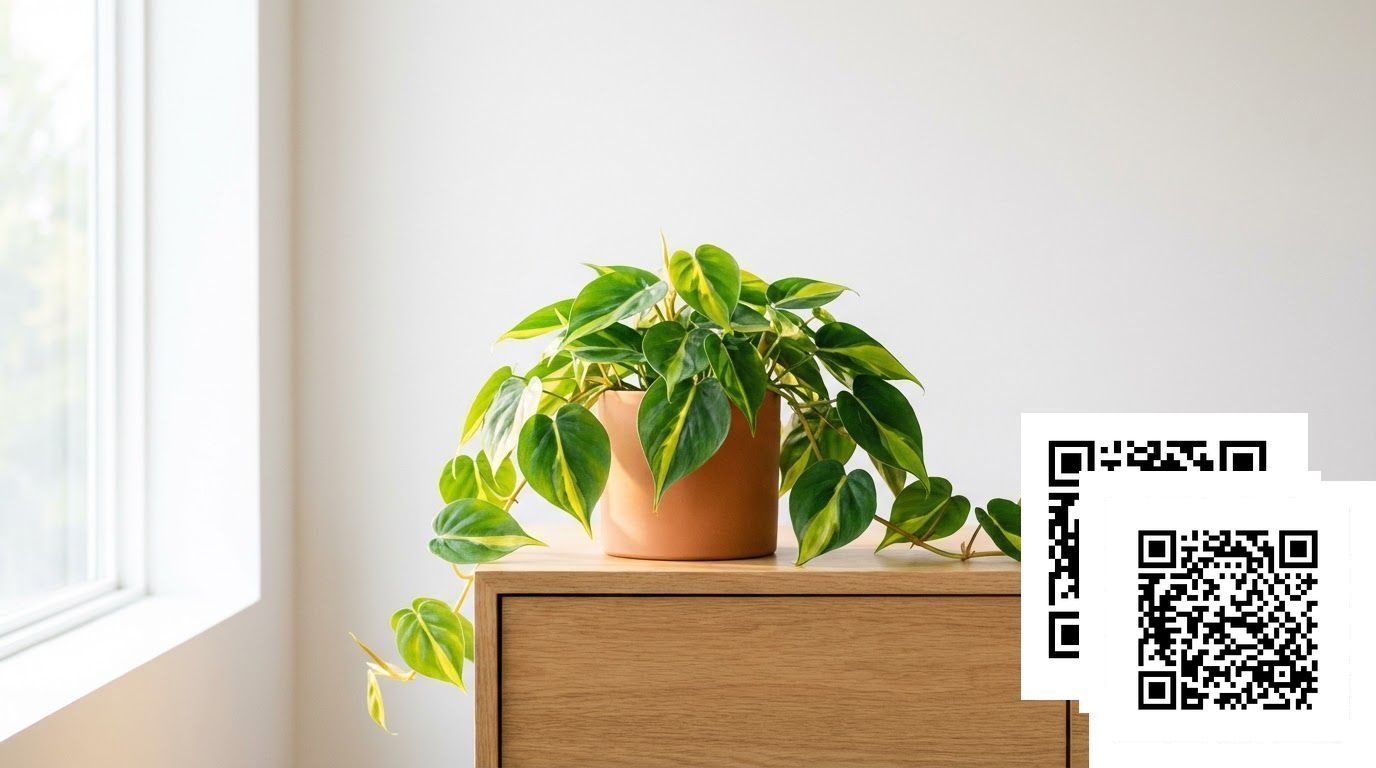
If you’ve ever brought a bright, lush Philodendron Brasil back to your dorm desk only to watch its variegated leaves turn yellow a few weeks later, you’re not alone. 90% of dorm plant owners misdiagnose this yellowing as overwatering, leading them to cut back on water and kill their plant faster, when the real culprit is almost always low light below 5,000 lux or inconsistent watering schedules that don’t align with class, exam, and travel plans. Unlike generic Philodendron Brasil care content, this guide is tailored explicitly to shared dorm spaces, with no expensive tools, large humidifiers, or obtrusive grow lights required to keep your plant thriving without disrupting your roommate dynamic. Per NC State Extension (2026), variegated philodendrons need 2x more light than solid-green varieties, a detail most generic care guides fail to mention.
Understanding the Science
Variegated Philodendron Brasil leaves have patches of cells that lack chlorophyll, the green pigment that converts light into energy for the plant to grow (Han & Park, 2008). When light levels drop below 5,000 lux, the plant cannot produce enough energy to support both the green and yellow variegated sections of its leaves, so it abandons the yellow, non-chlorophyll patches first, leading to the faded yellowing most dorm owners misdiagnose as overwatering. This is the core reason Philodendron Brasil low light care requires more intentional light placement than standard green philodendrons.
A 2004 study on Philodendron micropropagation found that inconsistent water availability damages root cell membranes, reducing the plant’s ability to absorb nutrients and water even when soil is moist (Journal of Plant Biotechnology, 2004). This causes wilting that looks identical to underwatering, even if you watered the plant just a few days prior, leading to a cycle of overwatering that further damages the plant.
Step-by-Step Guide
- Test your current light levels first: Download a free lux meter app on your phone, and hold it at leaf level for 30 seconds. If you get a reading below 5,000 lux, move your plant to a spot 10-12 inches from a 6500K LED desk lamp, which is the sweet spot for Philodendron Brasil variegation care. Outcome: No new faded variegation will appear within 7 days.
- Check soil moisture before watering: Stick a plain wooden toothpick 1.5 inches deep into the soil. If it comes out completely clean with no soil stuck to it, water with 175ml of room temperature tap water. If it has damp soil on it, wait 2-3 days and check again. Pro tip: Mark a recurring reminder on your calendar every 10 days to check soil moisture, so you don’t forget between midterms and study sessions.
- Trim damaged foliage to redirect energy: Use clean craft scissors to cut off fully yellow, crispy, or wilted leaves at the base of their stem, right where they connect to the main vine. This stops the plant from wasting energy trying to repair dead tissue, and directs it to growing new, healthy leaves instead.
- Adjust your potting mix if drainage is poor: If your soil stays soggy for more than 3 days after watering, repot your plant into the recommended Philodendron Brasil soil mix: 3 parts standard all-purpose potting mix + 1 part perlite, per USDA NRCS (2026). This mix is optimized for small dorm pots that often have only one small drainage hole, or no drainage hole at all.
- Pause fertilizer for 30 days if your plant is stressed: If you’ve been fertilizing regularly and see burnt leaf tips or yellowing, hold off on all fertilizer to let the roots recover. Fertilizer adds extra salts to the soil that can damage stressed roots, so it’s better to wait until your plant is producing new, healthy growth to resume feeding.
- Position your plant away from drafts: Make sure the entire plant, including trailing vines, is at least 1 foot away from AC vents, drafty windows, and space heaters. Sudden temperature swings are a common cause of leaf drop in dorm settings, per NC State Extension (2026).
- Set up a low-effort maintenance routine: For ongoing care, check soil moisture every 10 days, adjust light levels if you see leggy growth, and fertilize once every 2 months in spring and summer at 1/4 strength. Outcome: Full, lush growth with bright yellow and green variegation within 30 days.
Seasonal Care Calendar
Spring (March-May)
As days get longer and growth picks up, increase watering to 200ml every 10 days if the soil dries out faster. Start fertilizing with 1/4 strength balanced liquid fertilizer once every 2 months for the growing season.
Summer (June-August)
This is peak growing season for Philodendron Brasil. Philodendron Brasil summer watering can be adjusted to 200ml every 8 days if your dorm runs AC constantly, which dries out soil faster. Mist the leaves once a week if humidity drops below 30% from AC use.
Fall (September-November)
Cut back watering to 150ml every 14 days as days get shorter and growth slows. Stop fertilizing entirely as you head into the dormant season to avoid burning slow-growing roots.
Winter (December-February)
Philodendron Brasil winter care is very low effort. If days are shorter than 8 hours, move your plant 6 inches closer to your desk lamp to maintain 5,000+ lux levels. Pause all fertilizer, and only water when the top 2 inches of soil are dry. If you leave for winter break, leave 200ml of water in the saucer under the pot to keep it hydrated while you’re gone.
Common Mistakes to Avoid
Mistake: Placing your plant 3+ feet from your desk light, leading to lux levels below 3,000 What happens: Leggy trailing growth, faded variegation, and yellow leaves, the top issue requiring Philodendron Brasil leggy growth fix for dorm owners Instead: Keep the plant 10-12 inches from a 6500K LED lamp to hit the 5,000-10,000 lux sweet spot
Mistake: Watering on a fixed schedule without checking soil moisture first What happens: Root rot, wilted leaves, and yellow lower leaves that look identical to low-light damage Instead: Use a wooden toothpick to check if the top 1.5 inches of soil is dry every 10 days before watering
Mistake: Using full strength fertilizer on your plant What happens: Burnt leaf tips, stunted growth, and root damage Instead: Dilute balanced liquid fertilizer to 1/4 strength, and only apply when the soil is already moist to avoid burning roots
Mistake: Hanging trailing vines over drafty dorm windows or AC vents What happens: Sudden leaf drop, crispy leaf edges, and stunted growth Instead: Keep all vines at least 1 foot away from drafty glass and vents
Mistake: Using a heavy, moisture-retentive potting mix with no perlite What happens: Soggy soil that stays wet for weeks, leading to root rot even if you water on the correct schedule Instead: Use the 3:1 potting mix to perlite ratio for optimal drainage in small dorm pots
Troubleshooting Guide

Frequently Asked Questions
Why is my Philodendron Brasil turning yellow on my dorm desk?
The most likely cause is low light below 5,000 lux, not overwatering. Variegated leaves need more light to produce enough energy for the plant, so when light is too low, the yellow variegated patches die off first (NC State Extension, 2026). If the lower leaves are yellow and the soil is soggy, overwatering is the cause.
Can I keep a Philodendron Brasil in a room with no windows?
Yes, this is one of the most common questions about can Philodendron Brasil grow in artificial light. As long as you have a 6500K LED desk lamp placed 10-12 inches from the plant, you can maintain the 5,000-10,000 lux required for healthy growth, no natural light needed. A $10 clip-on LED lamp works perfectly for this.
How often should I water my Philodendron Brasil in a dorm?
Most dorm dwellers need to water 150-200ml every 10-14 days, but you should always check if the top 1.5 inches of soil is dry first (USDA NRCS, 2026). Philodendron Brasil summer watering can be adjusted to every 8-10 days if the soil dries out faster from AC or warm temperatures.
Will my Philodendron Brasil survive winter break if I leave it for 3 weeks?
Yes, as long as you prepare it properly before you leave. Water with 200ml of water right before you leave, and leave an extra 200ml of water in the saucer under the pot. Move it 6 inches closer to your desk lamp if you leave the lamp on a timer, or ask your roommate to check the soil once if they’re staying on campus.
Is Philodendron Brasil toxic to my dorm pet hamster?
According to the ASPCA (2026), Philodendron Brasil is mildly toxic to small pets, including hamsters, cats, and dogs, if ingested. The leaves contain calcium oxalate crystals that can cause mouth irritation and vomiting if eaten, so keep trailing vines out of reach of your pet, or place the pot on a high shelf where your hamster can’t access it.
How do I fix leggy growth on my Philodendron Brasil?
Leggy growth is caused by light levels below 5,000 lux. First, move the plant to a brighter spot 10-12 inches from your desk lamp to hit the 5,000-10,000 lux range. Then trim back the stretched stems to 1-2 inches above a leaf node, which will encourage bushier, more compact new growth over the next 4 weeks.
Key Takeaways
- Keep light levels between 5,000-10,000 lux for bright, vibrant variegation on your Philodendron Brasil
- Water 150-200ml only when the top 1.5 inches of soil is dry, to avoid root rot in small dorm pots
- Use a Philodendron Brasil soil mix of 3 parts standard potting mix + 1 part perlite for optimal drainage
- Dilute balanced liquid fertilizer to 1/4 strength, and only apply once every 2 months during the spring and summer growing season
- Avoid drafty vents, windows, and AC units within 1 foot of the plant to prevent leaf drop
- Leave 200ml of water in the saucer under the pot before leaving for winter break to keep the plant hydrated for up to 3 weeks
- You don’t need natural light to grow a Philodendron Brasil: a $10 clip-on 6500K LED desk lamp provides enough light for healthy growth
- If you see yellow leaves, first check your light levels with a free phone lux meter before adjusting your watering schedule, as low light is the most common cause of yellowing in dorm settings
References
- NC State Extension. (2026). Philodendron Brasil — NC State Extension Gardener Plant Toolbox. https://plants.ces.ncsu.edu/plants/brasil-care/. Accessed 2026-02-19
- Han, B.; Park, B. (2008). In vitro micropropagation of Philodendron cannifolium. Journal of Plant Biotechnology. https://doi.org/10.5010/jpb.2008.35.3.203. Accessed 2026-02-19
- Journal of Plant Biotechnology. (2004). Micropropagation of Philodendron wend-imbe through Adventitious Multi-bud Cluster Formation. Journal of Plant Biotechnology. https://doi.org/10.5010/jpb.2004.31.2.115. Accessed 2026-02-19
- ASPCA. (2026). Toxic and Non-Toxic Plants List — ASPCA. https://www.aspca.org/pet-care/animal-poison-control/toxic-and-non-toxic-plants. Accessed 2026-02-19
Optional Helper: Plantfun.App
Plantfun.App identifies your plants by photo, diagnoses pests and diseases with clear fixes, and creates personalised watering and light schedules that adapt to your home conditions — a handy companion for putting this guide into daily practice.
Found an error or have suggestions? We'd love your feedback.
Need help identifying this problem?
Get instant identification, personalized care schedules, and effective pest treatment plans directly on your phone.
Sponsored • We may earn a commission from app downloads
Related Guides
Anthurium andraeanum in Small Urban Apartments: The Complete Resilient Growth Checklist for Year-Round Blooms
Stop watching your Anthurium wilt and drop blooms. Get exact light, water, and humidity thresholds, plus a 12-point checklist to keep it thriving in your apartment year-round.
Care GuideBunny Ear Cactus Apartment Care Checklist: Budget Tips for Resilient Year-Round Growth
Keep your bunny ear cactus thriving in your apartment for under $10 a year. Get exact light, water, and soil thresholds plus a printable care checklist to avoid common growing mistakes.
Care GuideBunny Ear Cactus Care Guide for Small Low-Light Apartments: Resilient Growth On A Budget
Grow a thriving bunny ear cactus in your small low-light apartment without expensive supplies. Get exact light, water, and soil specs, plus a free weekly checklist for resilient, low-fuss growth.
Pest ControlAnts on Plants: What They Mean and What to Do
Ants usually aren't eating your plant. They are farming other pests.