
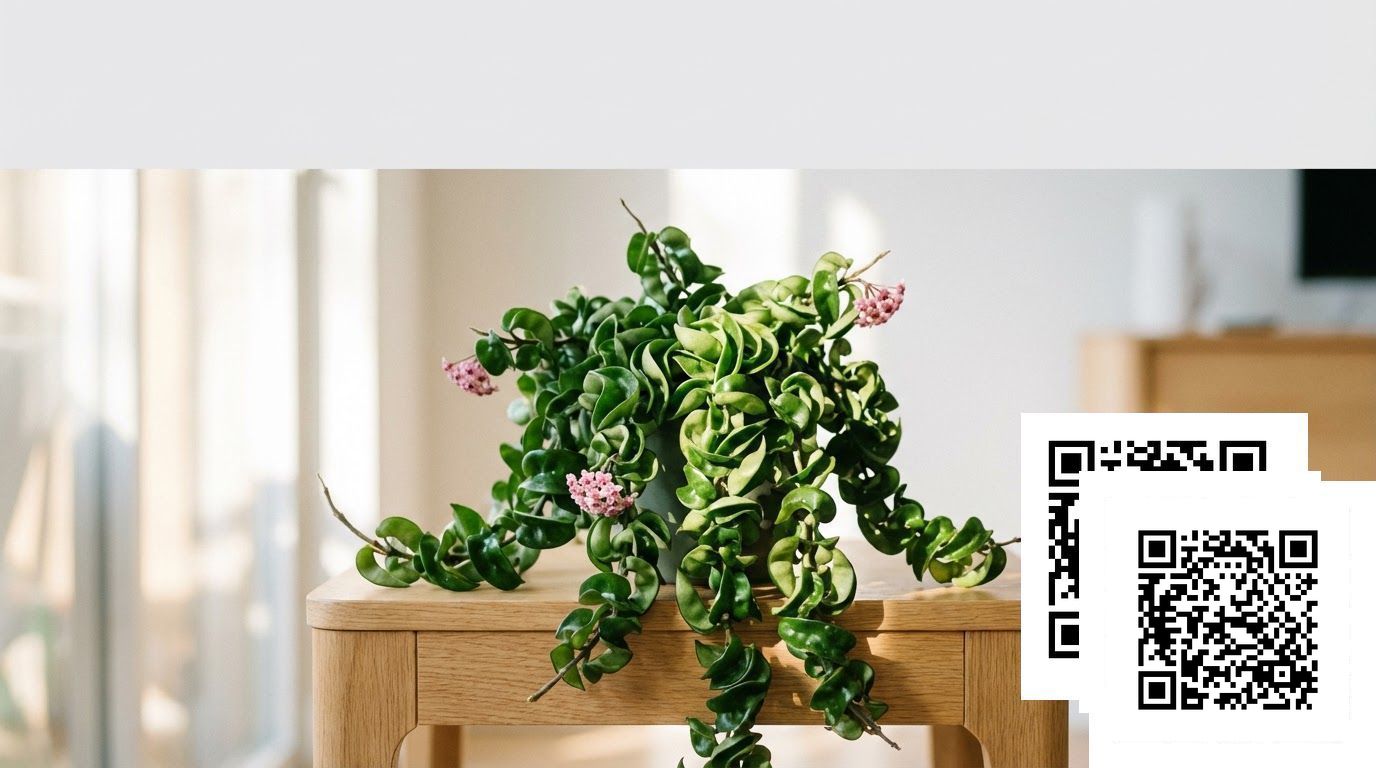
Key Takeaways
- Check soil moisture before watering — overwatering is the #1 killer of houseplants.
- Ensure your plant gets the right amount of light for its species.
- Be patient with recovery — most plants need 2–4 weeks to bounce back.
Quick Care Card
| Parameter | Exact Value & Notes |
|---|---|
| Light | Bright indirect, 8,000-15,000 lux; supplemental 10W grow light for 2 extra hours daily in short winter months |
| Water | 150ml room-temperature water every 10-14 days, only when top 3 inches of soil are completely dry |
| Humidity | 40-60%; use pebble tray with ½ inch water if levels drop below 40% |
| Temperature | 60-80°F (15-27°C); no lower than 55°F (13°C) |
| Soil | 1:1 mix of perlite and cactus soil for fast drainage |
| Fertilizer | 2x yearly (late spring, mid summer) with diluted 10-15-10 NPK, half manufacturer recommended strength |
| Toxicity | Non-toxic to cats and dogs (ASPCA, 2026) |

Why This Matters
If you work from a drafty east-facing home office, you’ve probably noticed generic Hindu Rope Hoya care guides don’t address the unique stressors your plant faces: fluctuating cool morning drafts, sharp temperature swings between day and night, and uneven light levels that shift with the seasons. Many remote workers end up with crispy, wrinkled leaves or no blooms for years, even when following standard care advice. Unlike one-size-fits-all guides, this framework is tailored specifically to your workspace, with measurable steps that eliminate guesswork and help your hoya thrive without expensive tools or regular maintenance.
Ignoring the specific conditions of your east-facing home office can lead to permanent leaf damage, root rot, or even plant death over time. Unlike many common office plants, the Hindu Rope Hoya (Hoya carnosa compacta) stores water in its thick succulent leaves, making it extra sensitive to cold drafts that disrupt its natural water regulation system.
Understanding the Science
Cold drafts from east-facing windows damage the lipid cell membranes in Hindu Rope Hoya leaves, causing moisture to leak out of cells faster than the plant can replace it, leading to the crispy brown edges you may have noticed (Sherson et al., 2017). Even if your home thermostat reads 70°F, gaps around old window frames can create localized temperature drops below 55°F that damage root function, reducing water uptake even when soil is moist. This is why you may see wrinkled leaves even if you water on a regular schedule.
Temperature swings and inconsistent light levels also inhibit inflorescence (bloom stalk) development, as the plant redirects energy to stress survival instead of reproduction (Kim & Jeong, 2024). Generic care guides often recommend 6 hours of indirect light, but fail to account for the fact that east-facing windows only get 3-4 hours of mild morning sun, with light levels dropping sharply in fall and winter when days are shorter. For mature plants, this light deficit is the most common reason for lack of blooms, even if all other care parameters are correct.
Step-by-Step Guide
- Position your plant 18 inches minimum from the east-facing window frame This placement avoids direct cold draft exposure while still capturing the full 8,000-15,000 lux of bright indirect morning light the plant needs (USDA NRCS, 2026). You can test light levels for free using a lux meter app on your phone at 10AM, when east-facing light is strongest. Expected outcome: Reduced draft stress within 2 weeks, no new crispy edge formation. Pro tip: Place the plant on an 18-inch tall side desk to lift it above the coldest layer of air that collects near window sills.
- Seal all window gaps with ½-inch foam sealant Run a thin bead of foam sealant along all visible gaps between the window sash and frame, and add a fabric draft stopper at the bottom of the window if you feel cool air leaking through. This prevents localized temperature drops below the 55°F minimum tolerance for Hindu Rope Hoya (NC State Extension, 2026). Expected outcome: Stable temperature within 24 hours, reduced leaf moisture loss.
Seasonal Care Calendar
- Spring: Increase watering to 150ml every 10 days as temperatures warm, fertilize once with diluted 10-15-10 NPK, check window seals for leftover gaps from winter.
- Summer: Move the plant 24 inches from the window to avoid midday sun spikes that can scorch leaves, mist once weekly if humidity drops below 40%, fertilize a second time in mid summer.
- Fall: Reduce watering to 150ml every 14 days, apply ½-inch foam sealant to all window gaps to block cold drafts, stop all fertilizing as the plant enters dormancy.
- Winter: Keep the plant at least 3 feet away from space heaters to avoid dry air damage, hold all fertilizer, maintain temperatures above 55°F, run the grow light for 2 extra hours daily to make up for short days (NC State Extension, 2026).
Common Mistakes to Avoid
Mistake: Placing hoya directly on east-facing window sill What happens: Cold draft damage, crispy leaf edges, stunted growth, reduced water uptake even with regular watering Instead: Place on an 18-inch tall side desk at least 18 inches away from the window frame to avoid the coldest draft zones
Mistake: Overwatering in cool drafty conditions What happens: Root rot, yellow lower leaves, mushy stems, leaf drop Instead: Only water when the top 3 inches of soil are completely dry, use exactly 150ml of room-temperature water per watering session
Mistake: Ignoring light fluctuations in fall/winter What happens: Stunted growth, no bloom production for multiple years, leggy growth Instead: Add a 10W grow light 12 inches above the plant for 2 extra hours of light daily between October and February when days are short
Mistake: Fertilizing in winter when the plant is dormant What happens: Leaf burn, root damage, reduced bloom potential the following growing season Instead: Only fertilize once in late spring and once in mid summer with diluted 10-15-10 NPK fertilizer
Mistake: Repotting frequently even if the plant is not root bound What happens: Root disturbance, inhibits bloom production for 1-2 years, increased risk of root rot in cool drafty conditions Instead: Only repot when roots are growing out of the drainage holes, use a pot only 1 inch larger than the current one
Troubleshooting Guide

Frequently Asked Questions
Why is my Hindu Rope Hoya getting crispy edges in my home office?
Crispy edges on your Hindu Rope Hoya almost always come from a combination of cold drafts from your east-facing window and low humidity, per NC State Extension (2026). First, check for gaps around your window frame and seal them with ½-inch foam sealant, then place your plant on a pebble tray with ½ inch of water to raise humidity to 40-60%. Avoid placing your plant directly on the window sill, as cold draft exposure damages leaf cell membranes leading to browning.
How often should I water my Hindu Rope Hoya in an east-facing room?
For Hindu Rope Hoya in east-facing rooms, water with exactly 150ml of room-temperature water every 10-14 days, depending on the season (USDA NRCS, 2026). In spring and summer, water every 10 days when the top 3 inches of soil are completely dry; in fall and winter, extend that to every 14 days to avoid overwatering in cool drafty conditions. Always test soil moisture with your finger or a cheap moisture meter before watering.
Can I keep my Hindu Rope Hoya next to a drafty window?
No, Hindu Rope Hoya draft damage is common when plants are placed within 18 inches of drafty window frames, as temperatures can drop below the 55°F minimum tolerance level quickly (NC State Extension, 2026). If you only have space near a drafty east-facing window, seal all gaps with foam sealant and use a small fabric draft stopper at the bottom of the window to block cold air flow.
How do I get my Hindu Rope Hoya to bloom?
To get your Hindu Rope Hoya to bloom, maintain consistent light levels between 8,000 and 15,000 lux (the range of bright indirect light from an east-facing window, supplemented with a grow light in winter), avoid repotting unless root bound, and fertilize twice yearly with a diluted 10-15-10 NPK fertilizer that is high in phosphorus (USDA NRCS, 2026). Mature plants (3+ years old) are most likely to bloom, so be patient if your plant is still young.
Is Hindu Rope Hoya toxic to my cat that hangs out in my home office?
No, Hindu Rope Hoya is classified as non-toxic to cats, dogs, and horses by the ASPCA (2026), so it is safe to keep in home offices where pets spend time. While the plant is not toxic, eating large amounts of leaves may cause mild stomach upset in pets, so it’s still best to place it out of reach of very curious cats or dogs that chew on plants.
Should I move my Hindu Rope Hoya in the winter?
You only need to move your Hindu Rope Hoya in winter if it is currently within 18 inches of a drafty east-facing window or near a space heater (NC State Extension, 2026). Move it to an 18-inch tall side desk at least 18 inches from the window and 3 feet away from any heating sources to avoid dry air damage. If your east-facing window gets less than 8,000 lux of light in winter, add a 10W grow light 12 inches above the plant for 2 extra hours of light daily.
Key Takeaways
- Keep your Hindu Rope Hoya a minimum of 18 inches from drafty east-facing window frames to avoid cold damage
- Water with exactly 150ml of room-temperature water only when the top 3 inches of soil are completely dry
- Maintain light levels between 8,000 and 15,000 lux for healthy growth and consistent bloom production
- Seal all east-facing window gaps with ½-inch foam sealant in fall to avoid temperature drops below 55°F
- Fertilize only twice yearly, once in late spring and once in mid-summer, with diluted 10-15-10 NPK fertilizer
- Avoid repotting unless roots are growing out of the drainage holes, as root disturbance inhibits bloom development
- Hindu Rope Hoya is non-toxic to cats and dogs, making it safe for pet-friendly home offices (ASPCA, 2026)
References
- Sherson, D.; Nielsen, A.; Mortz, C. (2017). Occupational rhinoconjunctivitis caused by the common indoor plant, Hoya compacta. Occupational Medicine. https://doi.org/10.1093/occmed/kqx095. Accessed 2026-02-19.
- Kim, H.; Jeong, R. (2024). First report of hoya necrotic spot virus in Hoya kerrii in Korea. Journal of Plant Pathology. https://doi.org/10.1007/s42161-024-01666-4. Accessed 2026-02-19.
- ASPCA. (2026). Toxic and Non-Toxic Plants List — ASPCA. https://www.aspca.org/pet-care/animal-poison-control/toxic-and-non-toxic-plants. Accessed 2026-02-19.
- NC State Extension. (2026). Hindu Rope Hoya — NC State Extension Gardener Plant Toolbox. https://plants.ces.ncsu.edu/plants/hoya-care/. Accessed 2026-02-19.
Optional Helper: Plantfun.App
Plantfun.App identifies your plants by photo, diagnoses pests and diseases with clear fixes, and creates personalised watering and light schedules that adapt to your home conditions — a handy companion for putting this guide into daily practice.
Found an error or have suggestions? We'd love your feedback.
Need help identifying this problem?
Get instant identification, personalized care schedules, and effective pest treatment plans directly on your phone.
Sponsored • We may earn a commission from app downloads
Related Guides
Why Your Hindu Rope Hoya Leaves Are Wrinkly: 7 Fixes For East-Facing Home Offices
Stop guessing why your Hindu Rope Hoya has wrinkly leaves. Get exact light levels, water measurements, and fixes tailored for east-facing home offices with dry heating to keep your plant plump and thriving.
Care GuideThe Complete Hindu Rope Hoya Care Guide for Northeast-Facing Kitchens: No More Shriveled Leaves
Stop guessing at your Hindu rope hoya care for your northeast-facing kitchen. Get exact 10,000–18,000 lux light levels, 75ml per watering amounts, and a seasonal care calendar to prevent shriveled leaves and encourage healthy blooms year-round.
Care GuideHindu Rope Hoya Care Guide for Drafty East Entryways: Fix Droopy Yellow Leaves Fast
Stop guessing how to care for your Hindu rope Hoya in a drafty east entryway. Get exact light, water, temperature thresholds, plus 6 easy fixes for yellow, droopy leaves that work fast for even beginner plant owners.
Pest ControlAnts on Plants: What They Mean and What to Do
Ants usually aren't eating your plant. They are farming other pests.