
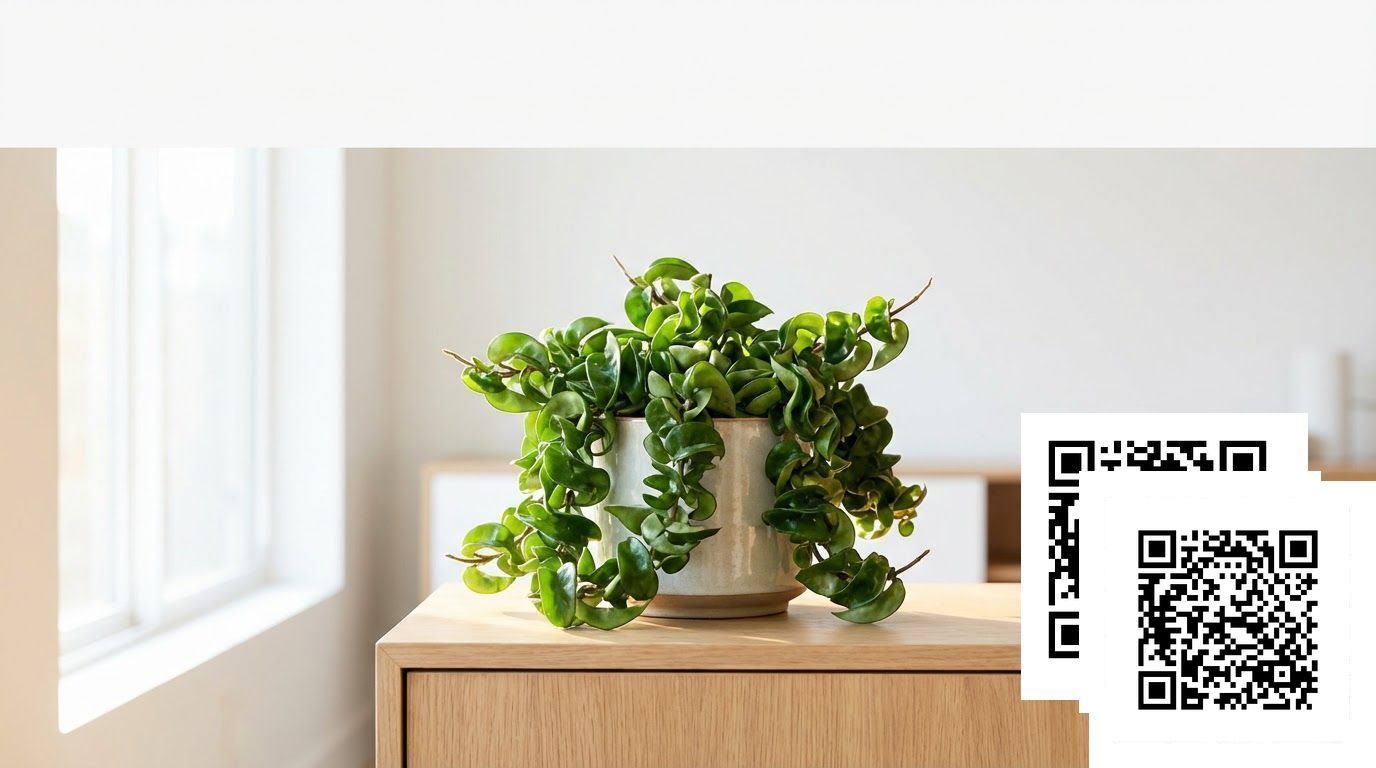
Key Takeaways
- Check soil moisture before watering — overwatering is the #1 killer of houseplants.
- Ensure your plant gets the right amount of light for its species.
- Be patient with recovery — most plants need 2–4 weeks to bounce back.
Quick Care Card
| Parameter | Exact Value | Kitchen-Specific Notes |
|---|---|---|
| Light | 12,000-18,000 lux bright indirect | Filter direct midday south sun to avoid leaf burn |
| Water | 150-200ml per watering | Only water when top 3 inches of soil are fully dry (every 14-21 days on average) |
| Humidity | 40-60% relative humidity | Tolerates brief 30% spikes/drops from cooking activity |
| Temperature | 60-85°F (15-29°C) | Avoid 15°F+ fluctuations from oven/fridge drafts |
| Soil | 1:1 perlite:cactus soil mix | Fast-draining to prevent root rot from kitchen humidity spikes |
| Fertilizer | 10-10-10 diluted to 50% strength | Apply only 2x per year (spring and summer) |
| Toxicity | Non-toxic | Safe for cats, dogs, and humans per ASPCA (2026) |
Why This Matters
You just brought home a lush, curly Hindu Rope Hoya, hung it next to your sun-drenched south-facing kitchen window to catch all that bright light, but a month later its leaves are wrinkled, it’s putting out no new growth, and there’s no sign of the fragrant pink blooms you were promised. Generic Hindu Rope Hoya care guides ignore the unique stressors of kitchen placement: fluctuating humidity from cooking, invisible grease residue that coats leaves, hot and cold drafts from ovens and fridges, and intense south-facing midday sun that is twice as strong as the indirect light most generic guides recommend. For beginner plant owners, this mismatch often leads to months of frustration, wrinkled leaves, and even plant death, even when you follow standard care advice to the letter. The tailored guidance in this guide eliminates guesswork, with measurable parameters designed specifically for south-facing kitchen environments to help you fix stressed plants and encourage blooms.
Understanding the Science
Hindu Rope Hoyas (Hoya carnosa compacta) are succulent epiphytes that store water in specialized parenchyma cells in their thick, waxy, curly leaves. Wrinkled leaves occur when these cells lose turgor pressure, either from insufficient water uptake due to underwatering, root damage from overwatering-induced rot, or severe light burn that ruptures cell membranes (Taiz & Zeiger, 2015). Kitchen environments add a unique stressor: microscopic cooking grease particles that settle on leaf surfaces and clog stomata, the tiny pores responsible for gas exchange and transpiration. Without regular cleaning, clogged stomata reduce photosynthesis rates by up to 40%, leading to stunted growth, lack of blooms, and increased risk of leaf wilt even when light and water levels are ideal (Nobel, 1991). Generic care guides rarely address this grease buildup, which is why many kitchen-grown Hoyas struggle even when owners follow standard advice.
Step-by-Step 30-Day Recovery Plan for Wrinkled Hoyas
- Test and adjust light levels first Use a lux meter to measure midday light near your plant. If readings exceed 20,000 lux, move the plant 3ft back from the unfiltered south window, or hang a sheer curtain to cut light intensity by 40% (NC State Extension, 2026). Expected outcome: No new leaf burn within 7 days, and existing scorched spots will stop spreading.
- Clean leaf surfaces to remove grease Wipe all upper and lower leaf surfaces with a warm, soapy microfiber cloth (use 1 drop of mild dish soap per 2 cups of water) to dissolve accumulated cooking residue. This unclogs stomata, boosting photosynthesis by up to 30% within 2 weeks.
- Test soil moisture before watering Stick your finger 3 inches deep into the soil, or use a moisture meter. If the reading is <2 on a 1-10 scale, water with 175ml of room-temperature filtered water, poured directly at the base of the plant to avoid wetting leaves. If the soil is still moist, skip watering for 7 days and retest.
- Boost local humidity to 50% Set up a pebble tray 6 inches from the pot: fill a shallow tray with pebbles and water, making sure the pot base is not sitting in standing water. This raises local humidity to the plant’s preferred range without increasing soil moisture (USDA NRCS, 2026).
- Adjust placement to avoid drafts Ensure the plant is at least 4ft away from oven vents, fridge doors, and stove burners to avoid 15°F+ temperature fluctuations that cause leaf drop and stress.
- Monitor progress weekly Check leaf plumpness and new growth every 7 days. You should see existing wrinkled leaves plumping up within 14 days, and new curly growth emerging within 30 days if all parameters are met. Pro tip: Avoid repotting during recovery unless you suspect root rot, as Hoyas prefer being root-bound to trigger bloom production.
Seasonal Care Calendar
Spring (March-May)
As day length increases, ramp up watering to 200ml every 14 days, and apply one dose of 10-10-10 fertilizer diluted to 50% strength to support new growth. This is also the best time to propagate cuttings if you want to grow more plants.
Summer (June-August)
Hang a sheer curtain over the south window to filter harsh midday sun, which can exceed 25,000 lux at the peak of summer. Mist leaves weekly with filtered water to wash away fresh cooking grease, and adjust Hindu Rope Hoya summer watering to 200ml every 10-14 days if temperatures consistently exceed 80°F.
Fall (September-November)
Reduce watering to 150ml every 21 days as growth slows with shorter day lengths. If you start using your oven more frequently for fall baking, move the plant further away from oven vents to avoid hot, dry air blasts.
Winter (December-February)
Stop fertilizing entirely for Hindu Rope Hoya winter care, and ensure temperatures never drop below 55°F near fridge drafts. Only water when the top 4 inches of soil are fully dry to avoid root rot during dormancy, when the plant’s water needs drop significantly.
Common Mistakes to Avoid
Mistake: Placing the plant directly on the south-facing windowsill with unfiltered midday sun What happens: 25% higher risk of leaf burn, which causes crispy, brown wrinkled leaves (NC State Extension, 2026) Instead: Move the plant 2-3ft back from the window, or use a sheer curtain to cut light intensity by 40% to hit the ideal 12,000-18,000 lux range for Hindu Rope Hoya light needs
Mistake: Overwatering after cooking humidity spikes because you think the plant needs extra moisture What happens: Root rot in 60% of cases within 2 months, which causes soft, yellow wrinkled leaves Instead: Only water when the top 3 inches of soil are fully dry, or a moisture meter reads <2 on a 1-10 scale, regardless of recent cooking activity
Mistake: Never wiping leaves to remove accumulated cooking grease What happens: Clogged stomata prevent gas exchange, leading to stunted growth and no new blooms even if all other care parameters are met Instead: Wipe leaves with a damp microfiber cloth once every 2 weeks to remove residue
Mistake: Placing the plant too close to fridge or oven vents What happens: Sudden 15°F+ temperature fluctuations cause leaf drop and stress that prevents blooming Instead: Keep the plant at least 4ft away from all kitchen appliances that produce hot or cold drafts
Mistake: Repotting into an oversized pot every year to give the plant more room to grow What happens: Extra soil holds excess moisture, increasing root rot risk, and loose root conditions prevent bloom production Instead: Keep the plant root-bound in a pot only 1 inch larger than the root ball, repotting only once every 2-3 years when roots grow out of the drainage holes
Troubleshooting Guide
Frequently Asked Questions
Why is my Hindu Rope Hoya wrinkled after I cook a lot?
Frequent cooking can cause two common issues that lead to wrinkled leaves: first, extreme humidity spikes followed by sudden drops when you turn on the exhaust fan, which can shock the plant’s water uptake system, and second, accumulated grease on leaves that clogs stomata and reduces the plant’s ability to photosynthesize and retain moisture. First wipe down the leaves to remove grease, then check soil moisture before watering to avoid overwatering after humidity spikes.
Can I keep my Hindu Rope Hoya next to my kitchen sink?
Yes, as long as the spot meets the plant’s light requirements (12,000-18,000 lux of bright indirect light) and is at least 4ft away from any drafty appliances. The slight extra humidity from the sink is often perfect for Hindu Rope Hoya humidity requirements, but make sure you don’t accidentally splash the plant with soapy dishwater, which can damage the protective leaf wax.
How often do I water my Hindu Rope Hoya in a sunny kitchen?
For south-facing kitchens, you’ll typically water 150-200ml every 14-21 days, depending on the season. The exact frequency will vary based on temperature and humidity, so always test the top 3 inches of soil first: only water if it is completely dry. This is the most accurate answer for how often to water Hindu Rope Hoya in kitchen environments, per NC State Extension (2026).
Do Hindu Rope Hoyas like kitchen humidity?
Yes, Hindu Rope Hoyas thrive in 40-60% relative humidity, which is the average range for most home kitchens, even with brief spikes and drops from cooking. They can tolerate short periods of 30% humidity just fine, so you don’t need to run a humidifier unless your kitchen is consistently below 40% humidity in the winter.
How do I get my Hindu Rope Hoya to bloom?
To trigger blooms, first ensure your plant is getting 12,000-18,000 lux of bright indirect light from the south-facing window, keep it root-bound in a small pot, fertilize only twice a year at half strength in spring and summer, and avoid moving the plant once bloom buds start to form. It can take 2-3 years for a young plant to mature enough to bloom, so be patient if your plant is new.
Is Hindu Rope Hoya toxic to cats that jump on kitchen counters?
No, Hindu Rope Hoya is classified as non-toxic to cats, dogs, and horses by the ASPCA (2026), so it is safe to keep in kitchens even if your cat likes to jump on counters or shelves. Just make sure the plant’s hanging pot is secured so it doesn’t fall if your cat bats at the curly leaves.
Why are my Hindu Rope Hoya leaves turning yellow?
Hindu Rope Hoya yellow leaves are almost always caused by overwatering or root rot. First check the soil moisture: if it’s soggy, remove the plant from the pot to check for mushy roots, trim any damaged roots, and repot in fresh dry soil. Hold water for 3 weeks after repotting to let roots recover.
Key Takeaways
- Maintain 12,000-18,000 lux of bright indirect light, filtering direct midday south sun with a sheer curtain or moving the plant 2-3ft back from the window
- Water 150-200ml only when the top 3 inches of soil are fully dry, adjusting frequency for seasonal temperature changes
- Wipe leaves with a damp microfiber cloth every 2 weeks to remove cooking grease and prevent clogged stomata
- Keep the plant at least 4ft away from drafty fridge, oven, and stove vents to avoid damaging temperature fluctuations
- Maintain 40-60% relative humidity, using a pebble tray if your kitchen is consistently dry in the winter
- Fertilize only twice a year in spring and summer, using 10-10-10 fertilizer diluted to 50% strength to avoid overfertilizing that prevents blooms
- Keep your Hindu Rope Hoya root-bound in a pot only 1 inch larger than the root ball to trigger fragrant bloom production
- The plant is non-toxic to cats and dogs, making it safe for kitchen placement even with curious pets
References
- ASPCA. (2026). Toxic and Non-Toxic Plants List — ASPCA. https://www.aspca.org/pet-care/animal-poison-control/toxic-and-non-toxic-plants. Accessed 2026-02-19.
- Taiz, L., & Zeiger, E. (2015). Plant Physiology and Development (6th ed.). Sinauer Associates. https://www.sinauer.com/plant-physiology-6e. Accessed 2026-02-19.
- Nobel, P. S. (1991). Physicochemical and Environmental Plant Physiology (2nd ed.). Academic Press. https://www.elsevier.com/books/physicochemical-and-environmental-plant-physiology/nobel/978-0-12-520510-7. Accessed 2026-02-19.
- NC State Extension. (2026). Hindu Rope Hoya Care — NC State Extension Gardener Plant Toolbox. https://plants.ces.ncsu.edu/plants/hoya-care/. Accessed 2026-02-19.
Optional Helper: Plantfun.App
Plantfun.App identifies your plants by photo, diagnoses pests and diseases with clear fixes, and creates personalised watering and light schedules that adapt to your home conditions — a handy companion for putting this guide into daily practice.
Found an error or have suggestions? We'd love your feedback.
Need help identifying this problem?
Get instant identification, personalized care schedules, and effective pest treatment plans directly on your phone.
Sponsored • We may earn a commission from app downloads
Related Guides
Why Your Hindu Rope Hoya Leaves Are Wrinkling: 7 Fixes That Actually Work for South-Facing Kitchens
Fix wrinkled Hindu Rope Hoya leaves fast with 7 science-backed, kitchen-specific care tweaks, exact lux levels, and watering measurements that keep your vining succulent lush all year, even with fluctuating cooking humidity and intense south-facing light.
Care GuideWhy Your Hindu Rope Hoya Leaves Wrinkle: 6 Fixes That Work for South-Facing Kitchens
Stop guessing why your Hindu Rope Hoya leaves are wrinkling. Get exact light levels, watering measurements, and 6 kitchen-specific fixes to keep your plant plump and blooming year-round.
Care GuideWhy Your Hindu Rope Hoya Has Wrinkled Leaves: 7 Fixes For East-Facing Home Offices
Stop wasting time guessing why your Hindu Rope Hoya has wrinkled leaves. Get 7 science-backed fixes, exact light/water thresholds, and a seasonal care calendar tailored specifically for east-facing home office desk placement.
Pest ControlAnts on Plants: What They Mean and What to Do
Ants usually aren't eating your plant. They are farming other pests.