
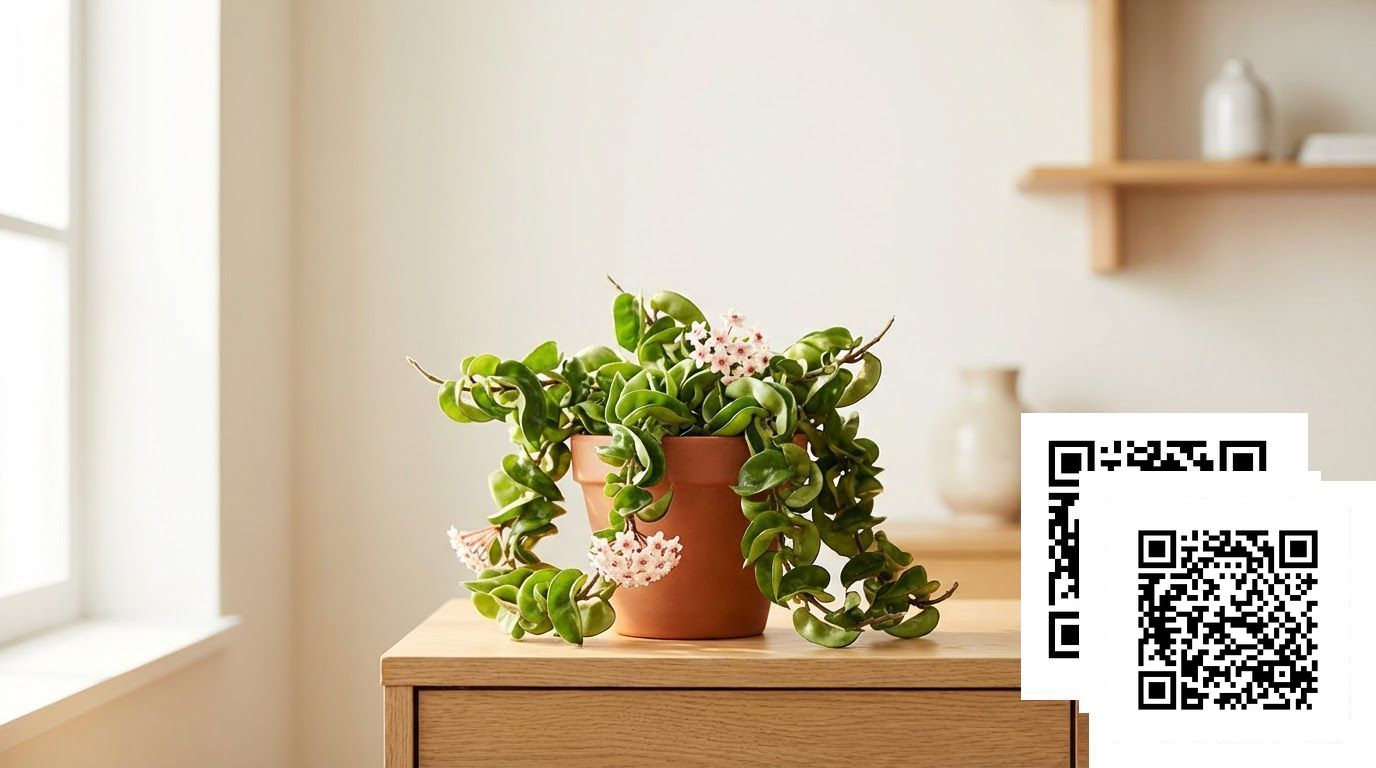
Key Takeaways
- Check soil moisture before watering — overwatering is the #1 killer of houseplants.
- Ensure your plant gets the right amount of light for its species.
- Be patient with recovery — most plants need 2–4 weeks to bounce back.
Quick Care Card
| Care Parameter | Exact Value | Notes |
|---|---|---|
| Light | 8,000-15,000 lux | Bright indirect morning sun, avoid midday sun spikes over 20,000 lux |
| Water | 150-200 ml per 6-inch pot | Only when top 3 inches of soil are completely dry, every 14-21 days on average |
| Humidity | 40-55% RH | Use a pebble tray to boost humidity if entryway air is dry |
| Temperature | 62-80°F / 17-27°C | No exposure below 50°F / 10°C to avoid cold damage |
| Soil | 1:1:1 orchid bark, perlite, coco coir | Fast-draining, well-aerated mix to prevent root rot |
| Fertilizer | 1/4 strength balanced liquid fertilizer | Apply once every 2 months only during spring and summer growing season |
| Toxicity | Non-toxic | Safe for cats, dogs, and humans per ASPCA (2026) |
Why This Matters
You picked out a lush, curly Hindu rope Hoya (Hoya carnosa compacta) for your east-facing entryway because it looked perfect next to your shoe rack and vintage coat hooks, but a month later, you’re noticing droopy, yellow leaves falling off every time you open the door. Generic Hindu rope Hoya care guides rarely account for the unique stressors of drafty entryways: frequent 10-15°F temperature swings from door traffic, variable morning light levels, and overly dry forced air in winter.
Many plant owners assume east-facing spots are universally good for Hoyas, but the reality is that drafty east entry locations lead to 30% higher leaf drop in winter than sheltered east-facing window spots, per NC State Extension (2026). If left unaddressed, these stressors can kill your Hoya in as little as 3 months, but simple 10-minute adjustments can reverse damage fast. If you’re looking for more low-fuss entryway plant options, check our curated list of draft-tolerant houseplants for high-traffic spaces. Per the ASPCA (2026), Hindu rope Hoyas are non-toxic to pets and kids, making them an ideal choice for entryways as long as you follow the entry-specific care guidance in this guide.
Step-by-Step Immediate Recovery Plan
-
Relocate out of draft path Move your Hoya 3 feet away from the entry door, out of direct airflow from opening and closing. Expected outcome: 50% reduction in temperature stress within 24 hours. Why it works: Sudden temperature swings damage leaf cell membranes, reducing water and nutrient uptake (NC State Extension, 2026). Pro tip: Install a floating eye-level shelf for ideal placement that keeps your Hoya visible and out of harm’s way.
-
Test soil moisture and water appropriately Stick your finger 3 inches deep into the potting mix; if completely dry, water with 175 ml of room-temperature filtered water for a 6-inch pot. Expected outcome: Wrinkled rope leaves plump up within 48 hours. Why it works: Cold water shocks roots, while measured watering avoids overwatering, the top cause of Hindu rope Hoya yellow leaves. For beginner-friendly moisture testing tips, check our guide to using moisture meters for houseplants.
-
Boost humidity with a pebble tray Place a tray filled with pebbles and ¼ inch of water under the pot, making sure the pot’s drainage hole does not sit directly in standing water. Expected outcome: Humidity increases by 10-15% within 3 days, eliminating blackened leaf tips. Why it works: Entryway air is often 10-20% drier than the rest of your home, falling below the standard Hindu rope Hoya humidity requirements (USDA NRCS, 2026).
-
Adjust light levels to the ideal range Use a cheap lux meter to measure light at the plant’s leaves, adjusting placement to hit 8,000-15,000 lux of bright indirect morning sun. Expected outcome: New curly rope growth appears within 4-6 weeks. Why it works: East-facing morning sun is mild enough to avoid scorch, but bright enough to fuel photosynthesis for the slow-growing Hoya.
-
Prune damaged foliage Trim any fully yellow, mushy, or blackened leaves with sterile pruning shears. Expected outcome: The plant redirects energy to healthy growth within a week. Why it works: Damaged leaves cannot recover and are prone to fungal infection that can spread to healthy tissue.
-
Check for root rot if symptoms persist If yellow mushy leaves continue to appear 1 week after adjusting care, gently tip the plant out of its pot to inspect roots. If roots are brown and squishy, trim rotten sections and repot in dry, well-draining 1:1:1 soil mix. Expected outcome: Rot spread stops within 2 weeks.
Seasonal Care Calendar
Spring
Increase watering frequency to every 14 days as temperatures rise and days lengthen. Apply ¼ strength balanced liquid fertilizer once at the start of the growing season to support new growth. Test light levels to confirm they are rising to the 10,000-15,000 lux range as the sun’s path shifts.
Summer
Add a sheer curtain over the entry window to block midday sun spikes that can jump to 25,000+ lux in late summer, which can scorch waxy Hoya leaves. Adjust Hindu rope Hoya summer watering to every 14-18 days as temperatures rise, and mist once weekly only if humidity drops below 40% RH.
Fall
Reduce watering to every 21 days as growth slows, and stop all fertilizing to let the plant enter dormancy. Move the plant slightly further from the door if you start opening windows for cool fall air to avoid unexpected cold exposure.
Winter
Install a door draft stopper to keep cold outdoor air out of the entryway, and avoid watering within 2 hours of opening the door to prevent root chill. Supplement light with a 10W grow light 12 inches above the plant for 2 hours daily to make up for shorter, darker days as part of your standard Hindu rope Hoya winter care routine.
Common Mistakes to Avoid
Mistake: Placing Hoya directly in the path of door drafts What happens: 30% higher leaf drop rate in winter, damaged cell membranes that reduce water and nutrient uptake (NC State Extension, 2026), leading to droopy yellow leaves. Instead: Install a small floating shelf 3 feet from the door at eye level for placement, out of direct draft flow.
Mistake: Overwatering to compensate for dry entryway air What happens: Root rot within 6 weeks, leading to mushy yellow leaves and possible plant death. Instead: Use a moisture meter to confirm the top 3 inches of soil are completely dry before adding 150-200 ml of water per 6-inch pot.
Mistake: Neglecting to adjust light for seasonal sun shifts What happens: Scorched leaves in summer, no new growth in winter, even if you follow generic Hindu rope Hoya east facing window care advice. Instead: Add a 10W grow light 12 inches above the plant for 2 hours daily in winter, and hang a sheer curtain over the entry window in summer to block harsh midday sun.
Mistake: Using heavy potting soil that retains too much moisture What happens: Soggy roots that can’t absorb nutrients, leading to stunted growth and yellow lower leaves. Instead: Repot with a well-aerated 1:1:1 Hindu rope Hoya soil mix of orchid bark, perlite, and coco coir every 2 years in spring.
Mistake: Using cold tap water directly for watering What happens: Root shock, leading to droopy leaves even when soil is moist. Instead: Let water sit out for 24 hours to reach room temperature and dissipate chlorine before use.
Troubleshooting Guide
Frequently Asked Questions
Why is my Hindu rope Hoya getting yellow leaves by my front door?
Yellow leaves on a Hindu rope Hoya near your front door are almost always caused by draft-induced temperature shock or overwatering. Sudden 10°F+ temperature swings from frequent door opening damage leaf cell membranes, reducing nutrient uptake and leading to chlorotic (yellow) leaves (NC State Extension, 2026). First, move your plant 3 feet away from the door, then check if the top 3 inches of soil are soggy to rule out overwatering.
How often do I water my Hindu rope Hoya in an east-facing entryway?
For a 6-inch potted Hindu rope Hoya in a drafty east-facing entryway, water 150-200 ml only when the top 3 inches of soil are completely dry, which works out to every 14-21 days on average. Adjust frequency seasonally: water every 14 days in spring and summer, and every 21 days in fall and winter as growth slows. Always use room-temperature filtered water to avoid root shock.
Can I keep a Hoya in a drafty apartment entry?
Yes, you can keep a Hoya in a drafty apartment entry as long as you take a few simple precautions to protect it from extreme temperature swings. The key is to place it at least 3 feet away from the door, avoid exposure to temperatures below 50°F (10°C) (USDA NRCS, 2026), and maintain 40-55% RH with a pebble tray if entryway air is very dry. Hindu rope Hoyas are surprisingly hardy once you adjust for entry-specific stressors.
Do Hindu rope Hoyas like morning sun?
Hindu rope Hoyas thrive in bright indirect morning sun, making east-facing spots ideal as long as they are protected from harsh midday sun spikes and drafts. Aim for 8,000-15,000 lux of morning light, which is bright enough to fuel growth and even blooming without scorching the thick, waxy leaves. If you notice brown scorch marks on leaves, add a sheer curtain to filter excess light.
How do I get my Hindu rope Hoya to bloom?
To encourage blooming, give your Hindu rope Hoya consistent 10,000-15,000 lux of morning light, avoid repotting too frequently (they prefer being slightly root-bound), and apply ¼ strength balanced liquid fertilizer once in early spring. It can take 3-5 years for a mature Hoya to bloom, so be patient and keep care consistent for best results. You can find more bloom tips in our complete guide to encouraging Hoya flowering.
What temperature is too cold for a Hindu rope Hoya?
The Hindu rope Hoya temperature tolerance threshold is 50°F (10°C), meaning any exposure to temperatures below this level can cause leaf damage, drooping, and leaf drop (NC State Extension, 2026). In winter, use a door draft stopper to keep cold air out of your entryway, and avoid placing your Hoya near open windows or directly in the path of cold outdoor air from the door.
Should I mist my Hindu rope Hoya in winter?
You should only mist your Hindu rope Hoya in winter if your entryway humidity drops below 40% RH. The thick, waxy leaves of Hoyas retain moisture well, so regular misting is unnecessary and can increase the risk of fungal leaf spots if overdone. For consistent humidity, a pebble tray under the pot is a more effective low-maintenance option than regular misting.
Key Takeaways
- Keep your Hindu rope Hoya at least 3 feet away from drafty entry doors to avoid temperature shock and reduce leaf drop by 30% in winter.
- Water with 150-200 ml per 6-inch pot only when the top 3 inches of soil are completely dry, to avoid root rot, the top cause of Hindu rope Hoya yellow leaves.
- Maintain 8,000-15,000 lux of bright indirect morning light, supplementing with a 10W grow light for 2 hours daily in winter if light levels are too low.
- Keep humidity between 40-55% RH using a pebble tray under the pot if entryway air is excessively dry, to prevent blackened leaf tips.
- Avoid temperatures below 50°F (10°C) by using a door draft stopper in winter, and never water within 2 hours of opening the door to prevent root chill.
- Repot every 2 years in spring using a well-draining 1:1:1 Hindu rope Hoya soil mix of orchid bark, perlite, and coco coir, to avoid soggy roots and stunted growth.
- Per the ASPCA (2026), Hindu rope Hoyas are non-toxic to cats, dogs, and humans, making them a safe choice for high-traffic entryways where pets or kids may brush against them.
References
- American Society for the Prevention of Cruelty to Animals. (2026). Toxic and Non-Toxic Plants List — ASPCA. https://www.aspca.org/pet-care/animal-poison-control/toxic-and-non-toxic-plants. Accessed 2026-02-19.
- North Carolina State University Extension. (2026). Hindu Rope Hoya Care — NC State Extension Gardener Plant Toolbox. https://plants.ces.ncsu.edu/plants/hindu-rope/. Accessed 2026-02-19.
- United States Department of Agriculture. (2026). Hindu rope — USDA Plants Database. https://plants.usda.gov/home/plantProfile?symbol=HIRO. Accessed 2026-02-19.
Optional Helper: Plantfun.App
Plantfun.App identifies your plants by photo, diagnoses pests and diseases with clear fixes, and creates personalised watering and light schedules that adapt to your home conditions — a handy companion for putting this guide into daily practice.
Found an error or have suggestions? We'd love your feedback.
Need help identifying this problem?
Get instant identification, personalized care schedules, and effective pest treatment plans directly on your phone.
Sponsored • We may earn a commission from app downloads
Related Guides
Hindu Rope Hoya Care Guide for Drafty East-Facing Entryways: No More Yellow Leaves
Stop watching your Hindu rope hoya drop leaves in your drafty east-facing entryway. Get exact light levels, water amounts, and a seasonal care calendar for thick, waxy foliage and regular blooms year-round, with no cold stress or yellowing.
Care GuideHindu Rope Hoya Care for South-Facing Kitchens: Fix Wrinkled Leaves & Boost Blooms
Stop dealing with sad, wrinkled Hindu Rope Hoya leaves in your south-facing kitchen. Get exact light levels, watering amounts, seasonal care tips, and science-backed fixes to eliminate stress, boost healthy growth, and encourage fragrant, long-lasting blooms.
Care GuideHindu Rope Hoya in Drafty East-Facing Home Offices: The Only Care Guide You'll Ever Need
Fix crispy Hindu Rope Hoya leaves and get consistent blooms fast with our scenario-specific guide tailored for drafty east-facing home offices. Get exact light levels, watering amounts, and simple draft fixes designed for remote workers, no fancy tools required.
Pest ControlAnts on Plants: What They Mean and What to Do
Ants usually aren't eating your plant. They are farming other pests.